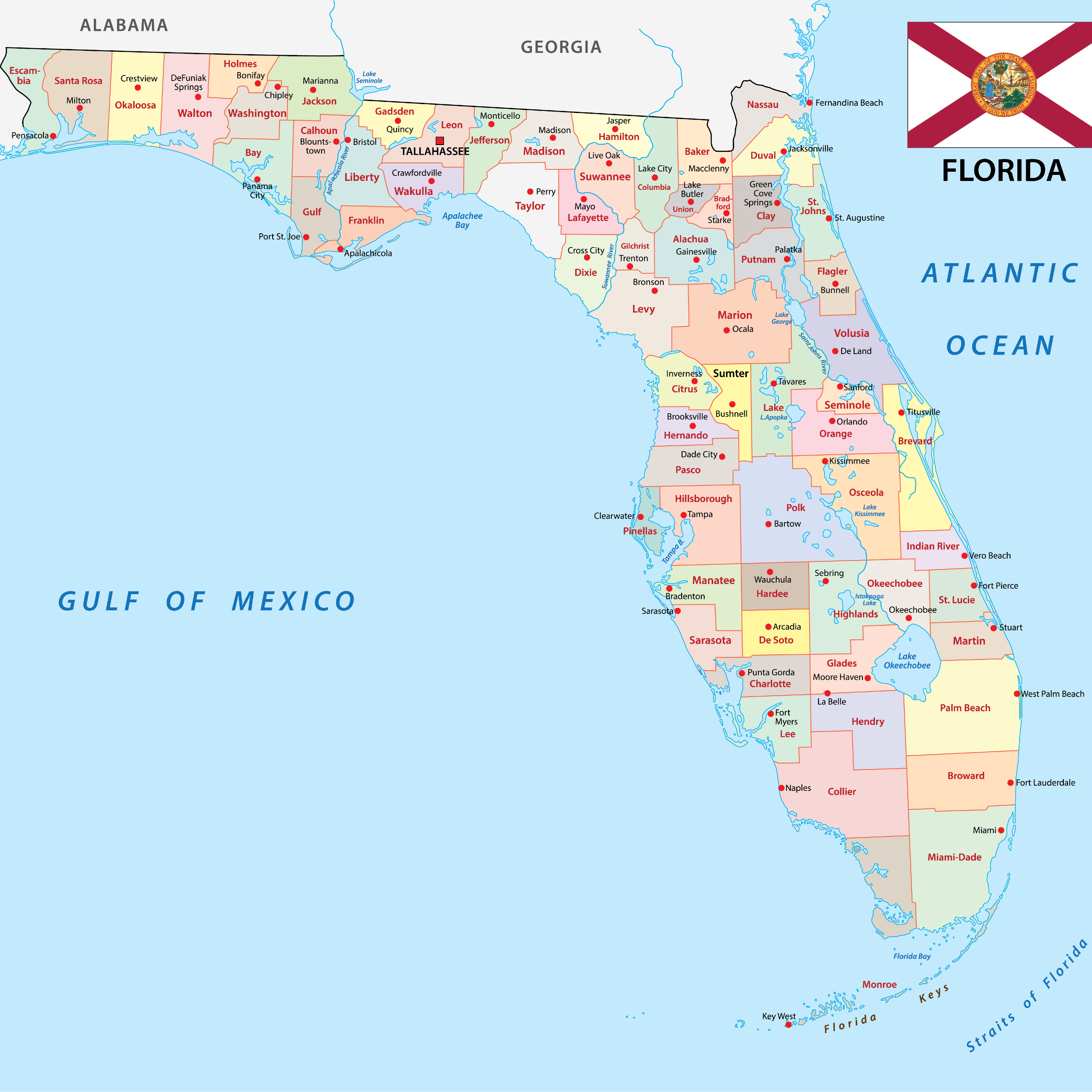
Houses for sale in Florida represent a vibrant and diverse market, attracting individuals from all walks of life with its unique blend of sunshine, lifestyle, and investment potential. This exploration delves into the myriad opportunities available, from bustling metropolitan centers to tranquil coastal havens, offering a comprehensive look at what makes the Sunshine State a premier destination for homebuyers.
We will navigate the current real estate landscape, uncovering the types of homes available, their typical price ranges, and the most desirable neighborhoods across major cities like Miami, Orlando, Tampa, and Jacksonville. Understanding the factors influencing market dynamics, such as average listing times and regional variations, is crucial for any prospective buyer. Furthermore, we will examine the compelling reasons behind the state’s enduring appeal, including its climate, lifestyle amenities, and robust economic advantages, alongside a detailed breakdown of the essential steps involved in acquiring property in Florida.
Uncover the current landscape of residential property listings across Florida’s diverse regions.

Florida’s real estate market is a dynamic and multifaceted entity, offering a wide spectrum of housing options that cater to a diverse range of buyers, from first-time homeowners to seasoned investors and retirees. The state’s appeal, driven by its desirable climate, vibrant culture, and growing economy, consistently fuels demand across its metropolitan hubs and coastal communities. Understanding the current landscape involves delving into the types of properties available, their price points, the allure of specific neighborhoods, market velocity, and the distinct experiences of searching in coastal versus inland areas.
This overview aims to provide a comprehensive snapshot of what prospective buyers can expect when navigating the Sunshine State’s property listings.The variety of residential properties available for purchase in Florida’s major metropolitan areas is extensive, reflecting the state’s broad appeal and diverse population. In Miami, the landscape is dominated by high-rise condominiums offering stunning ocean or city views, alongside luxurious single-family homes in exclusive enclaves and more modest, yet charming, bungalows in established neighborhoods.
The market here often features properties with modern amenities, close proximity to entertainment, and a distinctly cosmopolitan feel. Orlando, renowned for its family-friendly attractions, presents a strong inventory of single-family homes, particularly in master-planned communities designed with amenities like community pools, parks, and clubhouses. Condominiums and townhouses are also prevalent, especially near the city center and tourist corridors, catering to professionals and investors.
Tampa, situated on the Gulf Coast, boasts a mix of historic homes in its older districts, contemporary single-family residences in expanding suburbs, and a significant number of waterfront properties, including condos and houses, capitalizing on its extensive coastline. Jacksonville, the state’s largest city by land area, offers a vast array of housing types, from sprawling single-family homes on large lots in its northern and western suburbs to urban lofts and apartments in its revitalized downtown core, and beachside condos along its Atlantic coast.
Each city’s unique character translates into distinct property offerings, from the urban sophistication of Miami to the family-centric designs of Orlando, the coastal charm of Tampa, and the expansive possibilities in Jacksonville. The sheer volume and diversity ensure that most buyer preferences, whether for a starter home, a luxury estate, or a vacation getaway, can be met.
Typical Price Ranges and Influencing Factors
The typical price ranges for residential properties in Florida’s popular metropolitan areas exhibit considerable variation, influenced by a confluence of factors including location, property type, size, condition, and market demand. In Miami, single-family homes can range anywhere from $500,000 for older properties in less prime areas to upwards of $5 million or more for waterfront estates in exclusive neighborhoods like Coral Gables or Fisher Island.
Condominiums are a significant segment, with prices starting around $300,000 for smaller units in areas like Brickell or Downtown Miami, escalating to several million dollars for luxury penthouses with panoramic ocean views in South Beach or Sunny Isles Beach. Townhouses typically fall between $400,000 and $1.5 million, offering a middle ground in terms of space and amenities. Orlando’s market generally presents more accessible price points.
Single-family homes commonly range from $300,000 to $700,000, with luxury homes in gated communities potentially reaching $1 million or higher. Condominiums and townhouses are more budget-friendly, often starting around $200,000 and extending to $500,000 for premium units, especially those offering resort-style amenities or prime locations near attractions. Tampa’s market sees single-family homes typically priced between $350,000 and $800,000, with waterfront properties and homes in desirable areas like South Tampa or Hyde Park commanding prices from $1 million upwards.
Condominiums and townhouses are generally available from $250,000 to $700,000, with waterfront views or prime urban locations pushing prices higher. Jacksonville offers the most diverse price spectrum due to its size. Single-family homes can be found from $200,000 in suburban areas to $600,000 or more for larger homes in upscale communities or near the coast. Condominiums and townhouses typically range from $150,000 to $400,000, with beachside properties reaching higher.Several key factors significantly influence these price figures.
Proximity to the coast and waterfront access are major drivers, especially in cities like Miami and Tampa, where ocean views and direct access to waterways command a substantial premium. The desirability of a neighborhood, often determined by its school districts, safety, amenities, and overall ambiance, plays a crucial role. For instance, neighborhoods with highly-rated schools or those known for their vibrant social scenes and dining options will naturally have higher property values.
The condition and age of the property are also critical; newly constructed homes with modern finishes and energy-efficient features generally fetch higher prices than older homes requiring renovation. The size of the property, including the number of bedrooms and bathrooms, lot size for single-family homes, and square footage for condos and townhouses, directly impacts cost. Furthermore, the overall market demand, influenced by economic conditions, interest rates, and population growth, can lead to price fluctuations.
Do not overlook explore the latest data about homes mobile homes.
A seller’s market, characterized by low inventory and high demand, will drive prices up, while a buyer’s market may see more negotiable prices.
Most Sought-After Neighborhoods and Communities
Prospective buyers are drawn to specific neighborhoods and communities across Florida’s major cities for a variety of compelling reasons, often related to lifestyle, amenities, and investment potential. In Miami, neighborhoods like Coral Gables are highly sought after for their beautiful tree-lined streets, historic architecture, upscale boutiques, and proximity to top-tier schools and cultural institutions. The Gables’ Mediterranean Revival style and sense of established elegance appeal to those seeking a refined living experience.
South Beach remains a perennial favorite for its iconic Art Deco architecture, vibrant nightlife, world-class dining, and direct access to the beach, attracting a younger, trend-conscious demographic and investors. For luxury seekers, Fisher Island offers unparalleled exclusivity and opulent residences with breathtaking views. In Orlando, the most sought-after communities are often master-planned developments that offer a comprehensive lifestyle. Areas like Winter Park are prized for their charming downtown, excellent schools, and beautiful lakes, appealing to families and professionals.
Communities around the Dr. Phillips area are popular for their proximity to theme parks, high-end shopping, and diverse dining options, as well as a good selection of family-friendly homes. For those prioritizing an active lifestyle and resort-style living, communities like Baldwin Park, with its walkable design and abundant amenities, are very appealing. Tampa’s popularity is often concentrated in its established neighborhoods and growing suburban areas.
South Tampa, including areas like Hyde Park and Bayshore Beautiful, is highly desirable due to its historic homes, vibrant culinary scene, proximity to downtown, and the picturesque Bayshore Boulevard, perfect for walking and biking. Waterfront communities along Tampa Bay and the Gulf of Mexico, such as those in St. Petersburg and Clearwater (though technically separate cities, they are part of the broader Tampa Bay real estate landscape), are incredibly appealing for their direct access to beaches and boating opportunities.
In Jacksonville, neighborhoods offering a blend of suburban tranquility and urban convenience are in high demand. Areas like Ponte Vedra Beach and Atlantic Beach are popular for their coastal lifestyle, beautiful beaches, and prestigious golf courses. Mandarin, in the southern part of the city, is sought after for its good schools, family-friendly atmosphere, and spacious homes. The historic San Marco neighborhood appeals to those who appreciate its charming architecture, upscale boutiques, and convenient location.The appeal of these neighborhoods stems from a combination of factors:
- Lifestyle and Amenities: Many buyers prioritize communities offering specific lifestyles, whether it’s a vibrant urban scene, a tranquil beachside existence, or a family-oriented environment with parks and recreational facilities.
- Schools and Education: For families, the quality of local school districts is often a paramount consideration, driving demand in areas with highly-rated public and private schools.
- Proximity to Employment and Attractions: Easy access to major employment centers, cultural attractions, dining, and entertainment venues significantly enhances a neighborhood’s desirability.
- Property Types and Aesthetics: The architectural style, age, and type of housing available, such as historic homes, modern luxury condos, or sprawling family residences, play a crucial role in attracting specific buyer segments.
- Sense of Community and Safety: Established communities with a strong sense of neighborhood identity, low crime rates, and well-maintained public spaces are consistently popular.
- Investment Potential: Areas with a history of property value appreciation and strong rental demand are attractive to investors seeking long-term financial returns.
Average Time Properties Spend on the Market
The average time properties spend on the market across different Florida regions can vary significantly, reflecting local market dynamics, economic conditions, and the specific characteristics of the housing inventory. In high-demand, fast-paced markets like Miami, properties, especially well-priced and desirable single-family homes and modern condominiums, can sell very quickly. It’s not uncommon for listings in prime locations like Miami Beach or Brickell to receive multiple offers within days of hitting the market, with an average days on market (DOM) potentially ranging from 30 to 60 days.
However, luxury properties or those requiring significant renovation might linger longer. Orlando’s market also tends to be relatively swift, particularly for family homes in popular suburban communities. Properties priced competitively and in good condition can often sell within 45 to 75 days. The presence of a strong investor market and a steady influx of new residents seeking homes near the tourism industry contribute to this pace.Tampa’s market often sees a similar trend, with desirable homes in neighborhoods like South Tampa or those with waterfront access selling briskly, potentially within 40 to 70 days.
The surrounding Gulf Coast communities, especially those offering beach access, can experience even faster sales if inventory is low. Jacksonville, due to its larger geographical area and diverse housing stock, can present more varied DOM. Homes in sought-after suburban areas or desirable coastal communities might sell within 50 to 80 days, while properties in less central locations or those needing updates could take longer, perhaps 90 days or more.Several factors contribute to these variations:
- Market Conditions: A seller’s market, characterized by low inventory and high buyer demand, naturally leads to shorter DOM as properties are snapped up quickly. Conversely, a buyer’s market with ample inventory can extend the time properties remain listed.
- Pricing Strategy: Properties that are accurately priced according to current market comparables are more likely to sell faster than those that are overpriced, which can deter potential buyers and lead to extended listing periods.
- Property Condition and Presentation: Homes that are well-maintained, staged effectively, and presented with high-quality photography and marketing materials tend to attract more attention and sell more rapidly than those in poor condition or poorly marketed.
- Location: Properties situated in highly desirable neighborhoods, close to amenities, good schools, or employment centers, will generally have shorter DOM compared to those in less sought-after areas.
- Economic Factors: Interest rates, employment stability, and overall consumer confidence can influence buyer behavior. When interest rates are low and the economy is strong, buyers are more likely to purchase homes, leading to quicker sales.
- Seasonality: While less pronounced in Florida than in some other regions, there can be seasonal fluctuations. The spring and early summer months often see increased buyer activity, potentially leading to shorter DOM, while the late fall and winter might see a slight slowdown.
For example, a well-maintained, three-bedroom single-family home in a good school district in Orlando, priced at $450,000, might receive an offer within two weeks, closing within 45 days. In contrast, a larger, older home in a less central Jacksonville neighborhood, priced at $600,000 and requiring some updates, might take 90 days to attract a buyer and another 30 days to close.
Coastal Versus Inland Florida Home Search Experience
Embarking on a home search in Florida presents a tale of two distinct experiences, largely defined by whether one is focusing on the vibrant, sun-drenched coastal regions or the more tranquil, expansive inland areas. A buyer seeking a home in a coastal city like Fort Lauderdale or Sarasota will likely be captivated by the allure of ocean breezes, stunning water views, and immediate access to beaches and boating activities.
The search might begin with a focus on condominiums and townhouses in high-rise buildings offering panoramic ocean vistas and resort-style amenities such as pools, fitness centers, and private beach access. Single-family homes in these areas often come with a premium for waterfrontage, private docks, or proximity to the sand. The lifestyle is intrinsically tied to the water; weekend activities might involve paddleboarding, sailing, or simply enjoying the sunset over the Gulf or Atlantic.
Neighborhoods will be characterized by their proximity to marinas, beachfront restaurants, and coastal parks. However, this idyllic setting comes with its own set of considerations. Properties on the coast can be subject to higher insurance premiums due to hurricane risks and may require more frequent maintenance due to salt air and humidity. The cost of living, particularly for housing, is generally higher, reflecting the desirability of the location.
Open houses might be bustling with visitors eager to experience the coastal ambiance, and competition for desirable properties can be fierce, leading to quicker decision-making.In contrast, a buyer searching for a home in an inland city like Ocala or Lakeland will discover a different, yet equally appealing, set of characteristics. The focus here might shift towards larger single-family homes on more expansive lots, offering greater privacy and space for gardens, pools, or recreational areas.
The architectural styles may lean more towards traditional suburban designs, with an emphasis on family living and community amenities like parks, playgrounds, and community centers. While waterfront properties might exist on lakes or rivers, the direct ocean access and panoramic sea views are absent. The lifestyle is often more centered around community events, local sports, and perhaps equestrian activities, as is common in areas like Ocala.
The pace of life can feel more relaxed, and the cost of housing is generally more accessible compared to prime coastal locations. Insurance costs might be lower, and the property maintenance concerns may be more related to typical home upkeep rather than the specific environmental challenges of coastal living. Open houses in inland areas might be less crowded, allowing for a more leisurely exploration of the property and its surroundings.
The decision-making process might be less pressured, with more time to consider the nuances of the home and its neighborhood.Ultimately, both coastal and inland Florida offer unique advantages. The coastal search emphasizes immediate access to the water, a vibrant, often more upscale, lifestyle, and the constant presence of the ocean. The inland search, on the other hand, often provides more space, greater affordability, and a more traditional community-focused living experience, with its own set of natural beauty in the form of lakes, rolling hills, and lush landscapes.
The buyer’s priorities—whether they value the sound of the waves outside their window or the expansive backyard for their children—will guide them to the most suitable Florida environment.
The Primary Motivations Driving Individuals to Seek Residential Properties in Florida: Houses For Sale In Florida
Florida, often referred to as the “Sunshine State,” continues to be a beacon for individuals and families seeking a change in lifestyle, financial opportunity, or a secure retirement. The state’s diverse offerings, from vibrant cityscapes to tranquil coastal towns, cater to a broad spectrum of desires, making it a perennial hotspot for real estate investment and relocation. Understanding the core motivations behind this persistent demand is key to appreciating the dynamic nature of Florida’s residential property market.The allure of Florida’s residential properties is multifaceted, encompassing not only tangible assets but also the intangible benefits of a unique way of life.
These motivations are deeply rooted in personal aspirations, economic realities, and the inherent advantages of the state’s geographical and cultural landscape.
The Climate and Lifestyle Appeal for Relocators from Colder Regions
The most prominent draw for many individuals considering a move to Florida, particularly those hailing from colder climates, is undoubtedly the climate. The promise of year-round sunshine, mild winters, and an escape from harsh snowstorms and frigid temperatures is a powerful motivator. This climatic advantage translates directly into a significantly enhanced quality of life, offering opportunities for outdoor activities that are simply not feasible for much of the year in many other parts of the country.
Imagine the freedom of gardening in January, playing golf in February, or spending a day at the beach without the need for heavy layers of clothing. This consistent pleasant weather fosters a more active and engaged lifestyle, reducing seasonal affective disorder and promoting overall well-being.Beyond the weather, Florida offers a distinct lifestyle characterized by a relaxed pace, a strong emphasis on leisure, and a vibrant cultural scene.
The state boasts an abundance of natural beauty, from its pristine beaches and crystal-clear springs to its diverse wildlife preserves. This natural splendor provides endless opportunities for recreation, including boating, fishing, kayaking, hiking, and birdwatching. Furthermore, Florida’s cultural landscape is rich and varied, with world-class museums, theaters, art galleries, and a thriving culinary scene. The state is also a hub for professional sports, offering passionate fans a chance to cheer on their favorite teams.
For families, the appeal extends to excellent educational institutions and a safe, welcoming environment. The accessibility of outdoor activities and cultural enrichment, coupled with the absence of harsh winters, creates an environment where residents can truly thrive and enjoy life to its fullest, making the transition from a colder climate a deeply rewarding experience. The extended periods of sunshine and warmth directly contribute to improved mood and energy levels, allowing for a more consistent and enjoyable engagement with life’s pleasures.
The reduction in seasonal limitations opens up possibilities for spontaneous outings and planned activities alike, fostering a sense of freedom and possibility. This consistent access to outdoor living also encourages a healthier lifestyle, with more opportunities for exercise and physical activity throughout the year, which is a significant factor for many looking to escape the confines of indoor living during winter months.
Retirement and Second-Home Ownership in the Florida Property Market
Retirement and second-home ownership represent significant pillars of Florida’s real estate market, attracting a substantial segment of buyers drawn by specific amenities and features tailored to these lifestyles. For retirees, Florida offers a serene and comfortable environment to enjoy their golden years. The appeal often lies in the state’s robust healthcare infrastructure, including numerous hospitals, specialized clinics, and a high concentration of medical professionals.
Furthermore, many communities are designed with the needs of seniors in mind, featuring accessible housing, senior-friendly transportation services, and a wealth of social and recreational activities. The availability of active adult communities, specifically catering to residents aged 55 and over, is a major draw. These communities often provide a maintenance-free lifestyle, allowing retirees to focus on hobbies and relaxation rather than property upkeep.
Amenities within these communities can include resort-style swimming pools, fitness centers, walking trails, community centers for social gatherings, and organized clubs and events that foster a strong sense of camaraderie.Second-home owners, often referred to as “snowbirds,” seek a respite from colder climates or a vacation destination that offers consistent sunshine and recreational opportunities. For them, Florida provides an ideal escape.
Beachfront properties, with their stunning ocean views and direct access to sandy shores, are particularly sought after. These homes offer the ultimate in relaxation and vacation living, allowing owners to enjoy the soothing sounds of the waves and the warmth of the sun. Beyond the coast, golf course developments appeal to those who wish to indulge in their passion for the sport.
These communities offer meticulously maintained courses, often integrated with luxurious clubhouses, dining facilities, and other upscale amenities. The convenience of having a world-class golf course just steps from their door is a significant attraction. Additionally, many second-home buyers are drawn to the investment potential, recognizing that their property can generate rental income when they are not using it. The thriving tourism industry in Florida ensures a consistent demand for short-term rentals, making it an attractive proposition for those looking to offset ownership costs.
The combination of a desirable lifestyle, recreational opportunities, and potential financial returns solidifies Florida’s position as a prime destination for both retirees and second-home buyers.
Economic Advantages and Investment Potential in Florida Real Estate
Florida’s real estate market presents a compelling case for both domestic and international buyers due to its significant economic advantages and strong investment potential. The state’s favorable tax climate is a major draw; Florida has no state income tax, which means residents keep more of their earnings. This, combined with relatively stable property taxes compared to some other states, makes homeownership more financially attractive.
Furthermore, the consistent influx of new residents and businesses fuels a robust economy, which in turn supports a healthy and appreciating real estate market. The tourism industry, a cornerstone of Florida’s economy, creates a constant demand for rental properties, offering investors the opportunity for lucrative short-term and long-term rental income. This demand is further amplified by the state’s growing appeal as a year-round destination.For international buyers, Florida offers a stable and secure investment environment.
The U.S. dollar is a widely recognized and trusted currency, and the legal framework surrounding property ownership is transparent and well-established. Many international investors view Florida real estate as a tangible asset that can provide both capital appreciation and rental income, offering a hedge against economic volatility in their home countries. The presence of major international airports and well-developed infrastructure makes it easy for foreign investors to access and manage their properties.
The state’s diverse economy, which includes not only tourism but also sectors like aerospace, healthcare, and technology, provides a resilient foundation for real estate growth. Property values in many Florida markets have historically shown steady appreciation, driven by population growth and limited land availability in desirable coastal areas. This consistent growth trajectory, coupled with the aforementioned economic benefits, positions Florida real estate as a sound investment choice for a wide range of buyers seeking financial security and wealth creation.
The potential for rental yields, especially in popular tourist destinations and metropolitan areas, can be particularly attractive, offering a tangible return on investment that complements potential property value increases.
Successful Florida Residence Narratives
Consider the story of Sarah and Mark, a couple from Chicago who had long dreamed of escaping the harsh Midwest winters. For years, they vacationed in the Florida Keys, falling in love with the laid-back atmosphere and the vibrant marine life. After their children left for college, they decided to make the dream a reality. They meticulously researched various towns along the Gulf Coast, prioritizing communities with good schools for their youngest, who still had a few years of high school left, and access to outdoor activities like kayaking and fishing.
They found a charming single-family home in a family-friendly neighborhood in Sarasota, offering a good balance between affordability and amenities. The move allowed them to enjoy outdoor activities year-round, and Sarah, a former teacher, found fulfilling part-time work at a local museum, while Mark, a retired engineer, took up sailing. Their story is a testament to careful planning and the successful realization of a lifestyle change.Another compelling example is that of David, a software developer from Seattle who embraced remote work.
He sought a location that offered a more affordable cost of living than the Pacific Northwest and a warmer climate to pursue his passion for photography. He discovered a modern condominium in downtown St. Petersburg, a city known for its burgeoning arts scene and waterfront parks. The condo provided him with a low-maintenance lifestyle, freeing up his time to explore the city’s galleries, attend outdoor concerts, and capture the stunning sunsets over Tampa Bay.
The vibrant urban environment, coupled with the proximity to beaches and nature preserves, offered him the perfect blend of city living and natural beauty, all within his budget. His experience highlights how Florida can cater to the evolving needs of professionals seeking a better work-life balance.Then there’s the case of the Rodriguez family, who immigrated from Colombia seeking greater economic opportunities and a stable environment for their growing family.
They were drawn to Central Florida by the presence of a strong job market in the hospitality sector and the availability of affordable housing in suburban areas. They purchased a spacious townhome in the Orlando area, which offered good value for money and access to excellent public schools. The family has thrived, with the parents securing stable employment and their children excelling in their studies.
They frequently visit the nearby theme parks and enjoy the diverse cultural tapestry of the region. Their journey underscores Florida’s role as a welcoming destination for those seeking a fresh start and a brighter future.
Comparative Analysis of Florida Community Lifestyle Benefits
Florida offers a diverse array of community types, each providing a unique lifestyle experience that caters to different preferences and life stages. Understanding these distinctions is crucial for potential residents to find their ideal fit.Active adult communities, typically designed for residents aged 55 and older, are a significant segment of the market. These communities prioritize a maintenance-free lifestyle, allowing residents to focus on leisure and social engagement.
They often feature an abundance of amenities such as resort-style swimming pools, fitness centers, walking and biking trails, and community clubhouses equipped for social events, classes, and clubs. The appeal lies in the built-in social network and the ease of living, where lawn care, exterior maintenance, and often some utilities are handled by the community association. This allows for a more relaxed and less demanding retirement, fostering a sense of belonging and shared experience among residents.
The focus is on health, wellness, and social interaction, making them ideal for those seeking a vibrant and engaging retirement.Golf course developments offer a lifestyle centered around the sport and often include a higher level of luxury and exclusivity. These communities are built around meticulously maintained golf courses, providing residents with convenient access to play and practice. Beyond the greens, they typically boast upscale clubhouses with fine dining restaurants, pro shops, and social lounges.
Many also offer additional amenities like tennis courts, swimming pools, and fitness facilities. The residents often share a passion for golf and a similar socioeconomic background, creating a cohesive community. These developments are attractive to avid golfers and those who appreciate a refined and amenity-rich living environment, often associated with a prestigious address.Beachfront properties, as the name suggests, are defined by their direct proximity to the ocean.
The primary benefit is the unparalleled access to the beach, offering a lifestyle of sun, sand, and surf. Residents can enjoy daily walks on the shore, swimming, sunbathing, and water sports right outside their door. The views are often spectacular, providing a constant connection to the natural beauty of the coast. These properties can range from luxurious condominiums with oceanfront balconies to charming single-family homes with private beach access.
The lifestyle is inherently relaxed and oriented towards outdoor enjoyment, appealing to those who dream of waking up to the sound of waves and having the ocean as their backyard. The sense of tranquility and the constant visual reminder of nature’s beauty are significant draws for many.
Illuminate the essential steps involved in the acquisition of residential real estate in Florida.
Navigating the Florida real estate market can seem like a complex journey, but with a clear understanding of the process, it becomes manageable and even exciting. This guide breaks down the essential steps involved in acquiring a residential property in the Sunshine State, from the initial spark of interest to the final exchange of keys. By following these stages, prospective buyers can approach their purchase with confidence and clarity, ensuring a smooth and successful transaction.The acquisition of residential real estate in Florida is a multi-stage process that requires careful planning, diligent research, and informed decision-making.
Each step builds upon the last, leading the buyer closer to homeownership. Understanding these phases is crucial for a stress-free experience, as it allows for realistic expectations and proactive engagement with the various professionals involved.
Step-by-Step Guide to the Home-Buying Process in Florida
Embarking on the path to homeownership in Florida involves a series of distinct phases, each critical to a successful outcome. From the initial dream to the final handshake, a structured approach ensures that no crucial element is overlooked. This detailed walkthrough provides a roadmap for potential buyers, outlining the journey from finding the perfect property to officially taking possession.The process begins with a thorough financial assessment.
Before even browsing listings, it’s imperative to understand your budget. This involves evaluating your savings for a down payment and closing costs, as well as determining your capacity for monthly mortgage payments. Obtaining pre-approval for a mortgage from a lender is a vital early step, as it solidifies your purchasing power and makes your offer more attractive to sellers.Once your finances are in order, the property search commences.
This stage involves identifying your needs and preferences, such as location, size, style, and amenities. Utilizing online real estate portals, working with a real estate agent, and attending open houses are common methods for exploring available listings. Active engagement in this phase allows you to refine your search criteria and identify properties that align with your vision.After identifying a suitable property, the next critical step is making an offer.
This involves submitting a formal written offer to the seller, outlining the proposed purchase price, financing terms, and any contingencies. Negotiation is common during this phase, and your real estate agent will play a key role in representing your interests and guiding you through these discussions.Upon acceptance of your offer, the property goes under contract. This legally binding agreement initiates a period where due diligence is performed.
This typically includes a professional home inspection to identify any potential issues with the property’s structure, systems, and appliances. You will also engage in the mortgage underwriting process, where your lender thoroughly reviews your financial information and the property appraisal.Simultaneously, the title company begins its work. They conduct a title search to ensure the seller has clear ownership of the property and that there are no liens or encumbrances that could affect your ownership.
This process is crucial for securing title insurance, which protects you and your lender against future title disputes.The period leading up to closing is characterized by finalizing all paperwork, including mortgage documents and insurance policies. You will also conduct a final walk-through of the property to ensure it is in the agreed-upon condition.Finally, closing day arrives. This is the formal transfer of ownership.
All parties meet, typically at the title company or an attorney’s office, to sign the final documents, pay the remaining closing costs and down payment, and receive the keys to your new Florida home. This culmination of effort marks the successful acquisition of your residential property.
Delve into the current market trends and future projections for residential properties in Florida.
Florida’s real estate market is a dynamic and ever-evolving landscape, influenced by a confluence of demographic shifts, economic indicators, and lifestyle preferences. Understanding the prevailing conditions and anticipating future trajectories is paramount for anyone considering a property transaction in the Sunshine State. This section aims to provide a comprehensive overview of where the market stands today and what the coming years might hold for residential properties across Florida.The current real estate market in Florida is characterized by a persistent imbalance between supply and demand, though the intensity of this imbalance can vary by region and property type.
Inventory levels, a critical indicator of market health, have generally remained tight across many desirable areas. This scarcity is often attributed to robust population growth, a sustained influx of new residents, and a slowdown in new construction compared to the pace of demand. Consequently, average sale prices have seen significant appreciation over the past few years, reflecting the competitive environment.
Buyer demand, while subject to fluctuations based on economic conditions, remains strong, particularly from out-of-state buyers and those seeking second homes or investment properties. This sustained demand, coupled with limited supply, continues to drive price growth, although the rate of appreciation may be moderating in some segments.
Prevailing Market Conditions: Inventory, Prices, and Demand
The prevailing market conditions across Florida’s residential property sector are a complex interplay of supply constraints and robust demand. Inventory levels, a key metric for assessing market balance, have been notably low in many of Florida’s most sought-after areas. This scarcity is a direct consequence of sustained population influx, a robust economy attracting new residents, and a construction industry that, while active, has struggled to keep pace with the sheer volume of individuals seeking homes.
The limited availability of properties fuels a highly competitive environment for buyers.This competitive landscape directly impacts average sale prices. Across the state, median sale prices for single-family homes and condominiums have experienced significant growth, a trend that has been consistent over the past several years. While the pace of this appreciation may be showing signs of moderation in certain markets, the overall trajectory remains upward.
Buyer demand, though susceptible to shifts in economic sentiment and interest rate fluctuations, continues to be a powerful force. This demand is bolstered by a diverse range of buyers, including domestic relocators, international investors, individuals seeking vacation homes, and those looking for rental income opportunities. The combination of low inventory and strong demand creates a seller’s market in many regions, empowering sellers with favorable negotiation terms and contributing to the overall increase in property values.
For instance, in popular coastal areas like Naples and Sarasota, the median sale price for a single-family home has consistently exceeded national averages, reflecting the desirability and limited supply in these prime locations. Similarly, urban centers like Orlando and Tampa are experiencing high demand for both single-family residences and condominiums, driven by job growth and lifestyle amenities.
Performance Comparison of Property Types in Recent Florida Market Cycles
When examining recent Florida market cycles, a discernible divergence in performance emerges between different property types, most notably single-family homes and condominiums. Single-family homes have generally demonstrated greater resilience and often outpaced condominiums in terms of appreciation and demand, particularly in suburban and exurban areas. This preference is often driven by a desire for more space, private yards, and a perception of greater long-term value and investment potential.
The appeal of single-family residences is amplified by the ongoing trend of remote work, which has allowed individuals to prioritize larger living spaces and more desirable locations outside of traditional urban cores.Condominiums, while also experiencing price growth, have navigated a more nuanced market. Their performance can be more sensitive to factors such as rental restrictions, homeowner association (HOA) fees, and the availability of amenities.
In urban centers and coastal tourist destinations, condominiums often remain highly desirable for their convenience, access to amenities, and potential for rental income. However, during periods of economic uncertainty or rising interest rates, the demand for condominiums can soften relative to single-family homes, as they may represent a more significant portion of a buyer’s monthly housing cost when factoring in HOA fees.
For example, in high-demand areas like Miami-Dade County, luxury condominiums have seen substantial price increases, driven by international buyers and a strong rental market. Conversely, in areas where single-family homes are more abundant and affordable, they tend to absorb a larger share of buyer interest. The post-pandemic era has seen a particular surge in demand for single-family homes with home offices and outdoor living spaces, further solidifying their dominant performance.
Emerging Neighborhoods and Areas with Significant Growth Potential
Identifying emerging neighborhoods and up-and-coming areas within Florida is crucial for investors and homebuyers looking to capitalize on future property value appreciation. These areas often exhibit a combination of factors, including planned infrastructure improvements, burgeoning job markets, attractive lifestyle amenities, and a lower entry price point compared to established markets. One such region showing significant potential is the area surrounding the burgeoning tech and innovation hubs in Central Florida, particularly in cities like Lakeland and Winter Haven.
These cities are benefiting from spillover growth from the Orlando metropolitan area, with developing business parks and a growing workforce seeking more affordable housing options.Another area of considerable interest is the Gulf Coast, particularly the smaller towns and communities south of Tampa Bay, such as Bradenton and North Port. These areas are experiencing increased development and are attracting residents who are drawn to the beautiful beaches and a more relaxed pace of life, while still maintaining accessibility to larger urban centers.
Furthermore, parts of North Florida, including areas around Jacksonville and St. Augustine, are seeing renewed interest. As population density increases in South Florida, individuals and businesses are looking northward for more accessible and affordable opportunities. The development of new residential communities, retail centers, and improved transportation links are key indicators of growth potential in these emerging locales. For instance, the expansion of the Suncoast Parkway in the Tampa Bay region is opening up new areas for development and making previously less accessible locations more attractive to homebuyers.
Examine how Houses for Sale in Dominican Republic can boost performance in your area.
These emerging areas often present an opportunity to acquire property at a more favorable price point before they become fully recognized and their values increase significantly.
Impact of Economic Factors on the Florida Housing Market
Economic factors play a pivotal role in shaping the trajectory of the Florida housing market, influencing everything from buyer affordability to investor confidence. Interest rates, arguably one of the most significant economic variables, directly impact the purchasing power of potential homebuyers. When interest rates rise, the monthly mortgage payments for prospective buyers increase, potentially leading to a decrease in demand and a cooling of price growth.
Conversely, historically low interest rates have fueled demand and contributed to the robust price appreciation seen in recent years. For example, when the Federal Reserve began raising interest rates in 2022, many markets experienced a noticeable slowdown in sales activity and a slight recalibration of price expectations.Employment growth is another critical driver. Areas with strong job creation and a diverse economic base tend to attract new residents, thereby increasing the demand for housing.
Florida’s economy, bolstered by sectors such as tourism, healthcare, and increasingly, technology and logistics, has seen consistent job growth, which directly translates into a higher demand for residential properties. This influx of workers necessitates more housing, supporting price stability and growth. Furthermore, the overall health of the national economy influences consumer confidence and the willingness of individuals to make large investments like purchasing a home.
Inflationary pressures can also impact the market, affecting construction costs for new homes and the overall cost of living, which in turn can influence housing demand. The performance of the stock market can also indirectly affect the housing market, as individuals with significant investments may be more or less inclined to purchase real estate based on market fluctuations.
Forecast of Potential Future Trends in Florida’s Residential Property Sector
Forecasting the future of Florida’s residential property sector requires considering a multitude of interconnected factors, with population shifts and ambitious development projects standing out as key influencers. Florida is projected to continue its robust population growth, driven by both domestic migration and international interest. This sustained influx of residents will undoubtedly exert ongoing pressure on housing supply, particularly in desirable coastal areas and major metropolitan centers.
Consequently, we can anticipate continued demand for new construction and a potential further tightening of inventory in established markets.Development projects, both large-scale master-planned communities and smaller infill developments, will play a crucial role in meeting this demand. Significant investment in infrastructure, such as transportation networks and utilities, will further unlock the potential of previously underdeveloped areas, creating new growth corridors.
For instance, the ongoing expansion of public transportation in South Florida and the development of new business districts in Central Florida are indicative of future growth patterns. Moreover, evolving lifestyle preferences, such as the increasing demand for sustainable living and smart home technologies, will likely shape the types of properties being built and the amenities offered. We may also see a continued trend towards mixed-use developments, integrating residential spaces with retail, office, and recreational facilities to create more walkable and self-sufficient communities.
The impact of climate change and rising sea levels will also increasingly influence development decisions, potentially leading to a greater focus on resilient construction and a shift in demand towards inland properties in some coastal regions. This multifaceted approach to development, coupled with demographic shifts, will shape a dynamic and evolving residential property market in Florida for years to come.
Showcase the unique features and advantages of specific types of residential properties available in Florida.
Florida’s real estate market is a vibrant tapestry, offering a wide array of residential property types designed to suit diverse lifestyles and preferences. From the serene allure of waterfront living to the practical appeal of manufactured homes, and the modern conveniences of new constructions to the active social fabric of retirement communities, each property type presents a unique set of advantages.
Understanding these distinctions is key to finding the perfect Florida home that aligns with individual needs and aspirations.This section delves into the distinct characteristics and benefits of various residential property categories available in Florida, providing a comprehensive overview to guide potential buyers. We will explore the unparalleled lifestyle offered by waterfront homes, the economic advantages and community focus of manufactured and mobile homes, the benefits of modern living in new constructions, the tailored environments of active adult communities, and the contrasting lifestyles of urban condominiums versus suburban single-family homes.
Distinct Characteristics and Benefits of Waterfront Properties in Florida, Houses for sale in florida
Florida’s extensive coastline and numerous waterways create an unparalleled demand for waterfront properties, offering a lifestyle that is deeply intertwined with the natural beauty of the state. These homes provide a unique blend of tranquility, recreation, and often, significant investment potential. The sound of gentle waves, the breathtaking sunrises and sunsets over the water, and the immediate access to aquatic activities are just a few of the intrinsic benefits.
Canal-front properties offer private docks and direct access to larger waterways, ideal for boating enthusiasts who wish to explore the extensive network of canals and bays. Lakefront homes provide serene views and opportunities for fishing, kayaking, and swimming in freshwater environments, often within close-knit communities. Oceanfront properties, the pinnacle of coastal living, boast direct access to the Atlantic Ocean or the Gulf of Mexico, offering expansive views, the soothing rhythm of the surf, and the ultimate beach lifestyle.The advantages extend beyond the aesthetic and recreational.
Waterfront properties often command higher resale values due to their desirability and limited supply. They are particularly attractive to those seeking a vacation home or an investment property, as rental income potential can be substantial, especially in prime tourist destinations. The lifestyle associated with these homes promotes well-being, encouraging outdoor activities and a connection with nature that is hard to replicate.
Imagine stepping out onto your private deck to enjoy a morning coffee with dolphins playing in the distance, or hosting friends for a sunset barbecue on your own sandy beach. Furthermore, many waterfront communities offer exclusive amenities such as private marinas, beach clubs, and boat storage, enhancing the overall living experience. The architectural styles of waterfront homes are often designed to maximize these views and integrate with the environment, featuring large windows, expansive balconies, and open-concept living spaces.
“Waterfront living in Florida is not just about owning a home; it’s about embracing a lifestyle that celebrates nature’s beauty and the freedom of the open water.”
Beyond the immediate enjoyment, investing in waterfront real estate can be a sound financial decision. While they represent a significant investment, the enduring appeal of living by the water, coupled with Florida’s consistent population growth and tourism, tends to support property value appreciation over the long term. For those who dream of a life where the water is an extension of their backyard, Florida’s waterfront properties offer a dream realized, blending luxury, leisure, and a connection to the Sunshine State’s most precious natural asset.
Appeal and Practicality of Manufactured Homes and Mobile Homes in Florida
Manufactured and mobile homes represent a significant segment of the Florida housing market, offering a compelling combination of affordability and a distinct lifestyle that appeals to a broad range of buyers, particularly retirees and those seeking to maximize their budget without compromising on comfort or community. These homes are built in factories under federal regulations (HUD Code) and are transported to their permanent locations, distinguishing them from traditional site-built homes.
Their primary advantage lies in their significantly lower purchase price compared to single-family homes, making homeownership accessible to individuals and families who might otherwise be priced out of the market. This affordability extends to lower property taxes and insurance costs in many cases, further enhancing their financial appeal.The practicality of manufactured and mobile homes is further amplified by their integration into dedicated communities.
These communities often provide a ready-made social network and a wealth of amenities tailored to residents’ interests. Common features include swimming pools, clubhouses, recreational facilities, organized social events, and organized activities, fostering a strong sense of belonging and providing ample opportunities for engagement. For active adults and retirees, these communities offer a secure, convenient, and engaging environment where they can pursue hobbies, socialize with peers, and enjoy a relaxed pace of life.
Many communities are age-restricted, ensuring a consistent demographic and a quieter atmosphere.
“Manufactured and mobile homes in Florida provide an accessible pathway to homeownership and a vibrant community-focused lifestyle, especially for budget-conscious buyers and active adults.”
The lifestyle associated with these homes often emphasizes simplicity, community, and value. Residents can enjoy a comfortable living space without the burden of extensive property maintenance often associated with larger homes. Many manufactured home communities are pet-friendly and offer convenient on-site services, further simplifying daily life. While historically, mobile homes might have carried a stigma, modern manufactured homes are built to high standards, offering attractive designs, energy efficiency, and durable construction.
Do not overlook the opportunity to discover more about the subject of Cheap Mobile Homes for Sale in Palm Beach County.
They are an excellent option for those looking to downsize, relocate to a warmer climate, or simply achieve financial freedom through smart housing choices. The prevalence of these homes across Florida, from coastal areas to inland towns, underscores their enduring appeal as a practical and lifestyle-enriching housing solution.
Advantages of Purchasing Newly Constructed Homes Versus Existing Properties in Florida
The decision between purchasing a newly constructed home and an existing property in Florida involves weighing distinct advantages that cater to different buyer priorities. Newly constructed homes offer the allure of modern design, the latest energy-efficient features, and the peace of mind that comes with a brand-new structure. Builders often incorporate cutting-edge technology, smart home features, and contemporary layouts that appeal to today’s homeowners.
Energy efficiency is a significant draw, with new homes typically meeting stricter building codes, leading to lower utility bills and a reduced environmental footprint. This can include better insulation, high-performance windows, and more efficient HVAC systems.A major advantage of buying new construction is the inclusion of builder warranties. These warranties typically cover structural components, electrical, plumbing, and appliances for a specified period, offering protection against unforeseen issues that can arise in any new home.
This can significantly reduce unexpected repair costs in the initial years of ownership. Furthermore, buyers often have the opportunity to customize certain aspects of their new home, such as flooring, paint colors, countertops, and even some layout modifications, allowing them to create a living space that perfectly reflects their personal style and needs. This level of personalization is rarely possible with existing homes without undertaking extensive renovations.
“Newly constructed homes in Florida offer the benefit of modern amenities, energy efficiency, and the security of builder warranties, while existing properties provide character and established neighborhoods.”
Builder incentives are also a common feature when purchasing new construction. These can include credits towards closing costs, upgrades to finishes, or contributions towards mortgage rate buydowns, which can significantly reduce the upfront financial burden for buyers. While existing properties may offer more established neighborhoods, mature landscaping, and unique architectural character, they often come with the potential for higher maintenance costs and the need for renovations to update systems or aesthetics.
The decision often hinges on whether a buyer prioritizes the latest features and the security of a new build, or the charm and established community of an older home, understanding that each path comes with its own set of financial and lifestyle considerations.
Lifestyle and Community Aspects Associated with Active Adult Communities and Retirement Villages in Florida
Florida is renowned as a premier destination for active adults and retirees, largely due to its abundance of communities specifically designed to cater to this demographic. Active adult communities and retirement villages offer a lifestyle centered on leisure, social engagement, and convenience, providing residents with a supportive and amenity-rich environment. These communities are typically age-restricted, meaning at least one resident must be a certain age (often 55 or older), fostering a sense of camaraderie and shared life stage among neighbors.
This age restriction ensures a certain pace of life and can contribute to a quieter, more relaxed atmosphere.The lifestyle in these communities is characterized by an emphasis on health, wellness, and recreation. Amenities often include meticulously maintained golf courses, tennis courts, swimming pools (both indoor and outdoor), fitness centers, walking and biking trails, and dedicated spaces for arts and crafts, card games, and social gatherings.
Many communities also boast on-site dining options, making it easy for residents to enjoy meals with friends without leaving their neighborhood. The social aspect is paramount, with organized clubs, planned outings, volunteer opportunities, and a constant stream of events designed to keep residents active and connected. This provides a robust social safety net, combating isolation and promoting a fulfilling retirement.
“Active adult communities in Florida are designed to foster a lifestyle of leisure, social engagement, and convenience, offering a vibrant and supportive environment for residents aged 55 and better.”
Beyond the recreational and social benefits, these communities often provide practical advantages. Many offer various housing options, from spacious single-family homes to maintenance-free villas and condominiums, allowing residents to choose a dwelling that suits their needs and budget. The emphasis on maintenance-free living is a significant draw, as homeowners’ associations (HOAs) typically handle lawn care, exterior maintenance, and sometimes even interior repairs, freeing up residents’ time and energy to focus on enjoying their retirement.
The sense of security is also enhanced, with many communities offering gated entrances and on-site staff. For those seeking a retirement that is active, social, and hassle-free, Florida’s dedicated active adult communities and retirement villages present an ideal solution, allowing residents to fully embrace their golden years in a purpose-built environment.
Descriptive Comparison Between Urban Condominiums and Suburban Single-Family Homes in Florida
The choice between an urban condominium and a suburban single-family home in Florida presents a fundamental divergence in lifestyle, convenience, and community engagement, catering to distinct buyer profiles and priorities. Urban condominiums are typically located in the heart of cities, offering unparalleled access to a vibrant urban environment. Their primary advantage lies in their proximity to cultural attractions, diverse dining options, entertainment venues, and employment centers.
This makes them ideal for young professionals, couples without children, or individuals who thrive on the energy and convenience of city living. The compact nature of condo living often translates to lower utility bills and reduced personal maintenance responsibilities, as exterior upkeep, landscaping, and sometimes even interior repairs are managed by the condominium association.Condominiums often feature a range of shared amenities such as fitness centers, swimming pools, rooftop terraces, and concierge services, providing a resort-like living experience within a dense urban setting.
The sense of community in a condo building can be strong, fostered by shared spaces and a close proximity to neighbors, though it differs from the more dispersed interactions often found in suburban neighborhoods. However, the trade-offs include potentially smaller living spaces, less privacy due to shared walls, and the ongoing cost of HOA fees, which can be substantial and are subject to increases.
Parking can also be a challenge in urban areas, though many condos include dedicated parking spaces.Conversely, suburban single-family homes offer a more traditional residential experience, characterized by greater space, privacy, and a yard. These homes are typically located in quieter neighborhoods, often with more green space and a stronger emphasis on family-oriented amenities like parks and good school districts. The primary advantage of a single-family home is the freedom and control it offers.
Owners have more autonomy over their property, from landscaping and renovations to pet ownership and noise levels, without the direct oversight of a condo association. The larger living spaces and private yards are particularly appealing to families with children or pets, providing more room for recreation and relaxation.
“Urban condominiums offer a lifestyle of convenience and access to city amenities, while suburban single-family homes provide space, privacy, and greater control over one’s living environment.”
Suburban living often fosters a different type of community, one built around neighborhood gatherings, school events, and shared local resources. While HOA fees may still exist in some suburban developments, they are often lower than those for condominiums and may cover less comprehensive services. The trade-offs for suburban single-family homes include a longer commute to urban centers, potentially higher utility costs due to larger spaces, and the responsibility for all maintenance and repairs.
The decision between these two property types ultimately depends on individual priorities regarding lifestyle, budget, proximity to work and amenities, and the desired level of privacy and personal control over one’s living space.
Epilogue
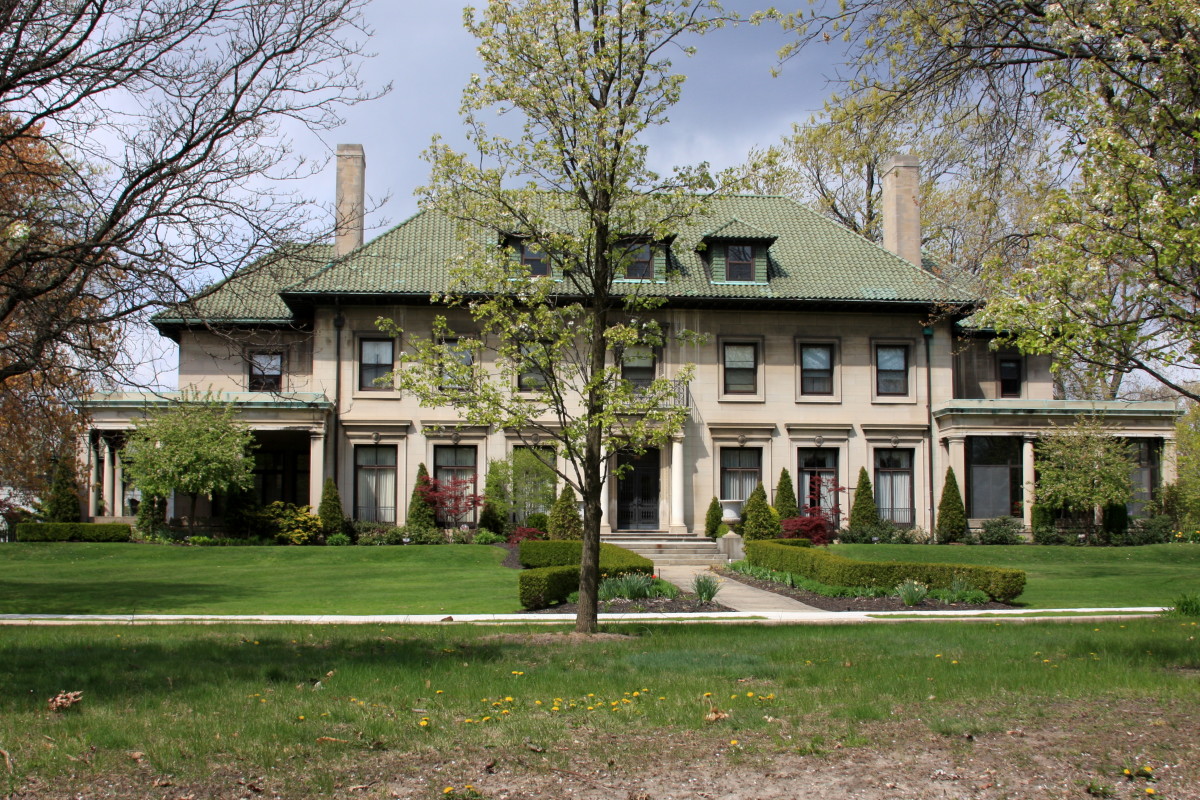
In essence, the journey to finding houses for sale in Florida is an exciting endeavor filled with promise and opportunity. Whether you’re drawn by the allure of a relaxed coastal lifestyle, the prospect of a sound investment, or the dream of a warm-weather retirement, Florida’s real estate market offers a diverse array of options to suit every need and aspiration.
By understanding the market trends, the acquisition process, and the unique advantages of various property types, buyers can confidently embark on their quest to secure their piece of paradise in the Sunshine State.
FAQ Overview
What are the current interest rate trends for mortgages in Florida?
Interest rates for mortgages in Florida, as elsewhere, are influenced by national economic factors and Federal Reserve policies. It’s advisable to consult with local lenders for the most up-to-date information and pre-approval processes.
Are there specific property taxes to be aware of when buying in Florida?
Yes, Florida has property taxes, which vary by county and municipality. These are generally based on the assessed value of the property and include millage rates set by local taxing authorities. Homestead exemptions can reduce the taxable value for primary residences.
What is the process for international buyers interested in Florida real estate?
International buyers typically follow a similar process to domestic buyers but may need to consider visa requirements, financing options specific to non-residents, and potential tax implications such as FIRPTA. Working with an agent experienced with international clients is highly recommended.
How does the cost of living compare across different regions in Florida for homeowners?
The cost of living can vary significantly. Major metropolitan areas and popular coastal regions tend to have higher housing costs and overall expenses compared to more inland or less tourist-centric areas. Utilities, insurance, and property taxes are key factors.
What are the typical insurance costs for homes in Florida, especially in coastal areas?
Homeowners insurance in Florida, particularly in coastal zones, can be substantial due to hurricane risk. Premiums are influenced by location, proximity to the coast, the age and construction of the home, and coverage levels. Flood insurance is often a separate policy and is crucial for many properties.