Houses for Sale in Dominican Republic presents a compelling opportunity for those seeking a slice of paradise. This comprehensive guide delves into the vibrant real estate market of the Dominican Republic, exploring why it has become a sought-after destination for international buyers. From its rich cultural tapestry to its diverse geographical landscapes, the Dominican Republic offers a unique lifestyle that attracts a wide range of investors.
We will navigate the intricacies of purchasing property, from understanding the legal framework to identifying prime locations and desirable property types. Whether you envision a beachfront villa, a bustling city apartment, or a tranquil rural estate, this guide aims to equip you with the knowledge to make informed decisions. Discover the financial avenues available and gain insights into the practical aspects of homeownership and management in this beautiful Caribbean nation.
Understanding the Allure of Dominican Republic Properties for International Buyers
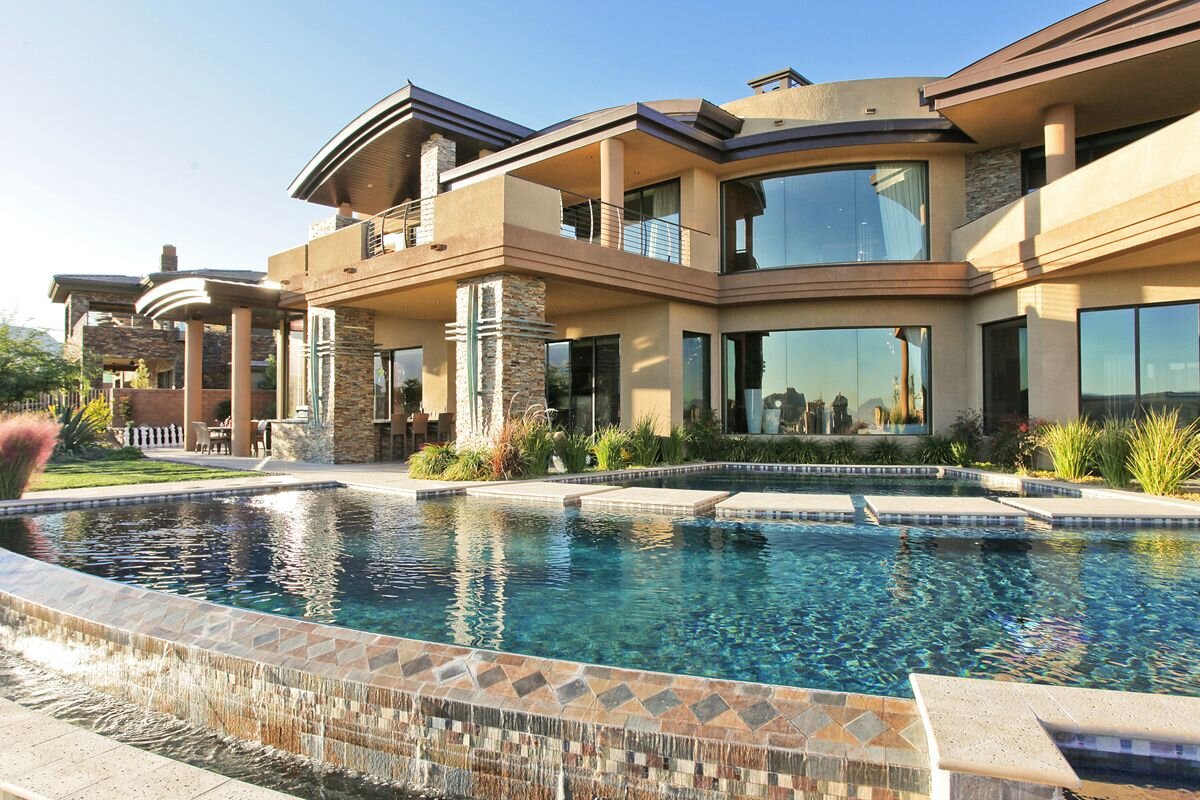
The Dominican Republic has long captivated the hearts of travelers with its stunning beaches, vibrant culture, and warm, welcoming people. This allure extends beyond tourism, drawing a significant number of international buyers to invest in its real estate market. The decision to purchase property in this Caribbean gem is often driven by a confluence of unique cultural and lifestyle factors, combined with compelling economic advantages.
Understanding these drivers is key to appreciating why the Dominican Republic stands out as a premier destination for overseas property investment.The island nation offers a tapestry of diverse regions, each with its own distinct charm and appeal, catering to a wide range of preferences. From the bustling energy of Santo Domingo, the oldest continuously inhabited European settlement in the Americas, with its historic colonial zone and modern urban amenities, to the laid-back, bohemian vibe of Las Terrenas on the Samaná Peninsula, renowned for its pristine beaches and lush natural beauty, there’s a locale for every taste.
Punta Cana, perhaps the most internationally recognized destination, boasts world-class resorts, championship golf courses, and an abundance of waterfront properties, attracting those seeking a luxurious tropical escape. Further west, areas like Puerto Plata offer a more traditional Caribbean experience, with a rich history, dramatic coastline, and a growing expat community. The lifestyle factor is paramount; it’s about embracing a slower pace of life, enjoying outdoor activities year-round, from sailing and diving to hiking and exploring waterfalls, and immersing oneself in the infectious rhythm of merengue and bachata.
The Dominican Republic offers a tangible escape from the stresses of daily life, promising sunshine, vibrant communities, and a profound sense of well-being.
Regional Diversity and Lifestyle Appeal
The Dominican Republic’s diverse geography and distinct regional characteristics significantly contribute to its appeal for international property buyers. Each area offers a unique lifestyle proposition, attracting different demographics and investment goals.In the east, Punta Cana and Bavaro are synonymous with luxury resorts and extensive tourism infrastructure. This region is ideal for buyers seeking established communities with a high rental yield potential, particularly for vacation rentals.
The lifestyle here is one of sun-drenched relaxation, with access to numerous golf courses, pristine white-sand beaches, and a wide array of restaurants and entertainment options. For many, it represents the quintessential Caribbean dream, a place to own a vacation home or a lucrative investment property that can be enjoyed and rented out for a significant portion of the year.Moving north to the Samaná Peninsula, areas like Las Terrenas and Las Galeras offer a more bohemian and naturalistic charm.
These locales are characterized by dramatic coastlines, secluded coves, and a less developed, more authentic Caribbean feel. Samaná is a haven for nature lovers, with whale watching opportunities in the winter months and lush rainforests to explore. Properties here might appeal to those seeking a more tranquil existence, a second home for personal use, or an investment in a developing area with strong potential for appreciation as its popularity grows.
The lifestyle is more laid-back, centered around community and natural beauty.The north coast, including areas like Puerto Plata and Sosúa, offers a blend of historical significance and developing tourism. Puerto Plata, with its Amber Museum and historic fort, appeals to those interested in culture and history, while nearby Cabarete is a world-renowned destination for windsurfing and kitesurfing, attracting an active, adventure-seeking crowd.
Sosúa has a well-established expat community and offers a range of properties from beachfront condos to hillside villas. This region provides a balance of amenities, affordability, and a vibrant, diverse community.Finally, the capital city, Santo Domingo, particularly its Colonial Zone, offers a unique proposition for those interested in history, culture, and urban living. While not a typical beach destination, it attracts buyers looking for a more sophisticated lifestyle, with access to fine dining, art galleries, theaters, and a thriving business environment.
Properties here can range from historic apartments in restored colonial buildings to modern penthouses with city views.The appeal of the Dominican Republic lies in its ability to offer a tropical paradise that caters to a spectrum of lifestyles, from the active adventurer and the luxury seeker to the history buff and the tranquility enthusiast, all within a single, vibrant nation.
Comparative Advantages Over Other Caribbean Nations
When considering Caribbean real estate, the Dominican Republic presents a compelling case for international buyers, often outshining other island nations in key areas such as economic stability and return on investment potential. While many Caribbean destinations offer tropical allure, the Dominican Republic’s unique economic landscape and burgeoning development create distinct advantages for property investors.One of the primary advantages is the relative economic stability of the Dominican Republic.
Compared to some smaller island economies that are heavily reliant on single industries or susceptible to external shocks, the Dominican Republic boasts a more diversified economy, with significant contributions from tourism, agriculture, free trade zones, and remittances. This economic resilience translates into a more predictable and stable property market. Furthermore, the government has actively encouraged foreign investment through favorable legislation and incentives, creating a more secure environment for property ownership.
This proactive approach fosters confidence among international buyers, who are often wary of political or economic instability in their investment destinations.The return on investment (ROI) potential in the Dominican Republic is also a significant draw. Property prices, particularly outside the most established tourist hotspots, remain considerably more affordable than in many other popular Caribbean islands. This allows for higher potential rental yields and greater capital appreciation.
For instance, purchasing a property in a developing area on the Samaná Peninsula or a well-located condo in a growing city like Santiago can offer substantial returns as infrastructure improves and tourism diversifies. The sheer volume of tourism, coupled with the growing demand for vacation rentals and long-term accommodation from expatriates, ensures a consistent rental market. The Dominican Republic’s ability to attract millions of tourists annually provides a robust base for short-term rental income.Moreover, the cost of living in the Dominican Republic is generally lower than in many other Caribbean nations, especially for expatriates earning foreign currency.
This attractive cost of living enhances the overall profitability of property investments, as operational costs for rentals and personal living expenses are more manageable. This affordability extends to property maintenance and services, making it more cost-effective to own and manage a property.In terms of investment diversity, the Dominican Republic offers a wider range of property types and locations compared to some smaller islands.
From beachfront villas and luxury condos in established resort areas to colonial homes in historic cities and land for development, investors have more options to align with their specific investment strategies and risk appetites. The country’s size and varied topography also mean that different regions offer distinct investment opportunities, whether it’s capitalizing on the established tourism of Punta Cana, the burgeoning eco-tourism of Samaná, or the urban appeal of Santo Domingo.In summary, while other Caribbean nations offer their own unique charms, the Dominican Republic distinguishes itself through its robust economic framework, attractive property prices, strong rental market, lower cost of living, and diverse investment opportunities, all contributing to a superior potential for return on investment and a more secure property ownership experience for international buyers.
Profile of the Foreign Investor
The foreign investor interested in Dominican Republic real estate is a multifaceted individual, driven by a blend of personal aspirations and strategic financial planning. Their motivations are diverse, ranging from the pursuit of a dream lifestyle to the identification of promising investment opportunities. Understanding this typical profile helps in tailoring property offerings and marketing strategies to effectively meet their needs.A significant segment of foreign investors comprises individuals and couples seeking a second home or a retirement haven.
These buyers are often drawn to the Dominican Republic’s idyllic climate, stunning natural beauty, and a more relaxed pace of life. They are looking for a place to escape the harsh winters of their home countries, enjoy year-round outdoor activities, and immerse themselves in a vibrant culture. For them, the motivation is primarily lifestyle-oriented; they envision themselves enjoying the sun, the beaches, and the friendly local culture, with property ownership providing a permanent base for these experiences.
They often seek properties that offer comfort, security, and a sense of community, frequently in established expat enclaves or tranquil coastal towns.Another key group of investors is driven by financial returns. These individuals, often more experienced in real estate or investment, are attracted by the potential for capital appreciation and rental income. They are drawn to the relatively lower property prices compared to other Caribbean destinations, recognizing the opportunity for higher yields.
Their focus is on identifying properties in areas with strong tourism potential, such as Punta Cana, or in developing regions that are poised for growth. They are interested in the economic stability of the country, the ease of property ownership for foreigners, and the overall investment climate. Their desired property types might include vacation rental properties, multi-unit buildings, or land suitable for development.There are also those who seek a blend of lifestyle and investment.
This group might be looking to purchase a property that they can use for personal holidays while also generating rental income to offset ownership costs or provide a supplementary income stream. They value properties that are attractive to tourists, well-maintained, and located in desirable areas. Their decision-making process often involves a careful analysis of rental demand, management services, and the overall return on investment, alongside their personal enjoyment of the property.Furthermore, some foreign investors are drawn to the Dominican Republic for its unique cultural heritage and the opportunity to invest in historically significant properties, particularly in cities like Santo Domingo.
These buyers might be interested in restoring colonial homes or purchasing apartments in charming, historic neighborhoods, seeking to combine their appreciation for history and culture with a tangible asset.The desired property types vary significantly based on these motivations. For lifestyle buyers, beachfront condos, spacious villas with private pools, and properties with ocean or golf course views are popular. For investors focused on returns, apartments in high-demand tourist areas, smaller units that are easier to rent, or commercial properties might be more appealing.
Those seeking a balance often look for well-appointed properties in resort communities that offer management services. In essence, the foreign investor in Dominican Republic real estate is a discerning individual who values a combination of tropical living, cultural richness, and sound financial opportunity.
Identifying prime locations and property types for investment.
For international buyers looking to invest in Dominican Republic real estate, a strategic approach to location and property type is paramount. Understanding the unique appeal and investment potential of different regions and property categories will significantly enhance the likelihood of a successful and rewarding acquisition. This section delves into the most sought-after areas, compares various property types, and Artikels methods for evaluating market appreciation.
Dominican Republic’s Most Sought-After Residential Property Regions
The Dominican Republic offers a diverse range of environments, each attracting a distinct segment of the international buyer market. From vibrant coastal cities to tranquil rural landscapes, identifying the right region hinges on individual lifestyle preferences and investment goals. These areas are consistently popular due to their established infrastructure, tourist appeal, and ongoing development.
- Punta Cana/Bávaro: Renowned globally for its pristine white-sand beaches, luxury resorts, and extensive golf courses, this eastern region is a magnet for vacation home buyers and investors seeking rental income. Property offerings range from modern beachfront condominiums and penthouses to sprawling private villas with pools and ocean views. The area boasts excellent infrastructure, including an international airport, shopping centers, and a wide array of dining and entertainment options, making it ideal for those who value convenience and a lively atmosphere.
- Santo Domingo: As the capital city and a UNESCO World Heritage site, Santo Domingo offers a unique blend of historical charm and modern urban living. The Colonial Zone, with its cobblestone streets and colonial architecture, is particularly attractive for those seeking cultural immersion and a vibrant city lifestyle. Property types here include charming apartments within historic buildings, contemporary penthouses in upscale urban developments, and family homes in secure gated communities.
The city provides a robust job market, extensive commercial activities, and a rich cultural scene, appealing to buyers who desire a permanent residence or a city-based investment.
- Puerto Plata/North Coast: This region, encompassing areas like Sosúa, Cabarete, and Las Terrenas, is celebrated for its dramatic coastlines, water sports, and laid-back ambiance. Cabarete is a world-renowned hub for kiteboarding and windsurfing, attracting an active and adventurous crowd. Sosúa offers beautiful beaches and a well-established expat community. Las Terrenas, in particular, has seen significant growth, blending natural beauty with sophisticated amenities.
Property options include beachfront apartments, villas nestled in hillsides with stunning ocean vistas, and secluded estates. The north coast appeals to those seeking a more active lifestyle and a strong sense of community.
- Samaná Peninsula: This lush and relatively undeveloped region is a haven for nature lovers and those seeking tranquility. Famous for its whale watching (in season), pristine beaches like Playa Rincón, and dramatic cliffs, Samaná offers a more secluded and exclusive experience. Property types here tend to be more spread out, including eco-lodges, boutique hotel opportunities, and private villas designed to harmonize with the natural surroundings.
It’s an ideal location for buyers looking for peace, privacy, and a connection with nature, with potential for boutique tourism ventures.
Comparison of Dominican Republic Property Categories
The Dominican Republic presents a spectrum of property types, each catering to different investment strategies, lifestyles, and budgets. Understanding the advantages and disadvantages of each category is crucial for making an informed decision that aligns with your specific needs.
- Beachfront Villas:
- Pros: Unparalleled access to the ocean, stunning views, high rental potential, and a luxurious lifestyle. Often located in prime tourist destinations, they offer a strong sense of vacation paradise. Many come with private pools, direct beach access, and ample space for entertaining.
- Cons: Higher purchase price, potential for higher maintenance costs due to proximity to salt and sand, and susceptibility to coastal erosion or storm damage. Rental income can be seasonal, and property management can be complex.
- Ideal for: High-net-worth individuals, those seeking a vacation home with significant rental income potential, and investors focused on the luxury tourism market.
- City Apartments:
- Pros: Convenient access to urban amenities, businesses, and cultural attractions. Generally lower purchase prices compared to beachfront properties, easier maintenance, and often part of managed complexes with shared facilities. Good for those who value urban living and accessibility.
- Cons: Less privacy, potentially smaller living spaces, and less direct connection to nature. Views may be of the city rather than the ocean.
- Ideal for: Young professionals, individuals seeking a permanent residence in a vibrant city, or investors looking for steady rental income from long-term tenants.
- Rural Estates:
- Pros: Ample land, privacy, tranquility, and the potential for agricultural development or a self-sufficient lifestyle. Often offer more space for the money and a chance to experience authentic Dominican life.
- Cons: May require significant infrastructure development (roads, utilities), can be remote from essential services and amenities, and may have less immediate resale appeal to a broad market.
- Ideal for: Those seeking a peaceful retreat, individuals interested in farming or eco-tourism, or buyers looking for a substantial private property away from tourist hubs.
- Condominiums/Apart-Hotels:
- Pros: Managed by a hotel or management company, offering hassle-free ownership, potential for rental income through the hotel’s booking system, and access to resort amenities. A good balance between owning a property and having it professionally managed.
- Cons: Less control over rental rates and usage, management fees, and shared facilities may mean less exclusivity.
- Ideal for: Investors seeking a hands-off approach to rental income, frequent travelers who want a familiar base, and those who appreciate the convenience of hotel services.
Researching and Evaluating Property Value Appreciation Potential
Assessing the potential for property value appreciation in the Dominican Republic requires a multifaceted approach, combining an understanding of market dynamics with foresight into development trends. Buyers should look beyond current market prices and consider factors that will drive future demand and value.One of the most critical indicators of appreciation potential is tourism trends. Regions with consistently growing tourist arrivals, particularly those attracting repeat visitors and diverse demographics, are likely to see sustained demand for accommodation.
For instance, the consistent growth in international flights to Punta Cana International Airport (PUJ) directly correlates with increased demand for short-term rentals and vacation homes, pushing up property values in the surrounding areas. Similarly, the increasing popularity of ecotourism and adventure travel in regions like Samaná and the North Coast suggests a growing market for unique accommodations and lifestyle properties.Infrastructure development plays a pivotal role in unlocking a region’s appreciation potential.
Government and private sector investments in roads, airports, utilities, and telecommunications can significantly improve accessibility and desirability. For example, the expansion and modernization of highways connecting major cities and tourist destinations make previously less accessible areas more attractive to developers and buyers. The development of new marinas, shopping centers, and international schools also signals economic growth and an increasing quality of life, which are key drivers of property value appreciation.
“A key strategy for identifying appreciating markets is to look for areas undergoing significant infrastructure upgrades and experiencing a diversification of their tourism appeal beyond traditional sun and beach holidays.”
Furthermore, local economic factors and government incentives for foreign investment are crucial. A stable political climate and clear legal frameworks for property ownership provide confidence to international buyers. Regions that offer incentives for developers or specific types of investment, such as sustainable tourism projects, can also experience accelerated growth. For example, the Dominican government’s efforts to promote investment in renewable energy or specific industrial zones could indirectly boost the value of surrounding residential properties as employment opportunities increase and local economies diversify.
Analyzing historical property price data, when available, and understanding local zoning laws and development plans are also essential steps in this evaluation process. Buyers should consult with local real estate experts and legal counsel to gain a comprehensive understanding of the market’s future prospects.
Exploring Financing and Ownership Structures for Dominican Republic Real Estate
Navigating the financial and legal landscape of purchasing property abroad can seem daunting, but for those eyeing the Dominican Republic, a range of accessible options exist. Understanding these structures is crucial for making informed decisions and ensuring a smooth acquisition process. This section delves into the various ways international buyers can finance their Dominican real estate dreams and the different ownership models available, alongside the associated tax implications.
Financing Property Purchases in the Dominican Republic
Securing financing for a property purchase in the Dominican Republic as an international buyer typically involves a combination of local banking options and alternative funding strategies. While obtaining a traditional mortgage from a Dominican bank can be more straightforward for residents or those with established local ties, there are still avenues for foreign investors. Many international buyers opt to secure financing in their home country, leveraging existing assets or personal loans to fund their Dominican property acquisition.
This often involves liquidating investments, utilizing equity from properties in their home country, or securing personal loans.Alternatively, some Dominican banks do offer mortgages to non-residents, though the process may be more rigorous and require a substantial down payment, often ranging from 30% to 50% of the property’s value. These mortgages might also come with higher interest rates compared to those offered to residents.
The application process usually involves a thorough review of the buyer’s financial history, proof of income, and creditworthiness. It’s advisable to engage with multiple banks to compare terms and conditions.Beyond traditional mortgages, creative financing solutions are also prevalent. Some developers may offer in-house financing options, particularly for properties still under construction. These plans can be attractive as they are often tailored to the project and may have more flexible repayment schedules.
However, it’s essential to carefully scrutinize the terms, including interest rates, payment durations, and any penalties for early repayment. Another alternative involves using personal savings or reinvesting rental income from existing properties to fund the purchase. For substantial investments, exploring international private lenders or specialized real estate investment funds could also be viable, though these typically cater to larger transactions and may involve more complex due diligence.
Dominican Republic Property Ownership Models
Understanding the different ownership models available in the Dominican Republic is fundamental for foreign investors to protect their interests and ensure clarity in their property transactions. The most common and straightforward method is outright ownership, where the buyer holds the title deed to the property in their name. This is akin to owning property in many other countries and grants the owner full rights and responsibilities associated with the property, including the ability to sell, lease, or bequeath it.
For individual foreign buyers, this is often the preferred route due to its simplicity and direct control.Leasehold ownership, while less common for residential properties, can be encountered, particularly in commercial real estate or for long-term land leases. In a leasehold agreement, the buyer obtains the right to use and occupy a property for a specified period, but the freehold title remains with the original owner.
This structure is often used for development projects or when the land itself is considered a valuable asset that the original owner wishes to retain. The terms of a leasehold agreement, including the duration, rent, and any restrictions on use, are critical and must be thoroughly reviewed.Corporate structures offer an alternative for investors, especially those acquiring multiple properties or seeking certain tax advantages or asset protection.
This involves establishing a Dominican corporation (Sociedad Anónima – S.A. or Sociedad de Responsabilidad Limitada – S.R.L.) to own the property. The foreign investor then owns shares in the corporation. This structure can be beneficial for estate planning and for simplifying the management of multiple assets. It can also, in some cases, offer a degree of privacy.
However, setting up and maintaining a corporate structure involves additional legal and administrative costs, including annual filings and potential accounting requirements. The decision between outright ownership, leasehold, or a corporate structure often depends on the investor’s specific goals, the nature of the investment, and their long-term strategy.
Tax Implications of Dominican Republic Property Ownership
Owning property in the Dominican Republic comes with specific tax obligations that international buyers must be aware of to ensure compliance and avoid unforeseen costs. The primary tax associated with property ownership is the annual property tax, known as the “Impuesto al Patrimonio Inmobiliario” (IPI). This tax is levied on properties with a value exceeding a certain threshold, which is periodically updated by the Dominican government.
Currently, properties valued above RD$8,000,000 (approximately USD 140,000, though this figure can fluctuate with exchange rates and government adjustments) are subject to a 1% annual tax on the excess value. Properties below this threshold are exempt.When a property is sold, capital gains tax applies. The current rate for capital gains tax on real estate in the Dominican Republic is 27% of the net profit realized from the sale.
Net profit is calculated as the selling price minus the acquisition cost and any documented improvements made to the property. It is crucial for sellers to maintain accurate records of all purchase and improvement expenses to accurately calculate their capital gains. There are also exemptions available for the sale of primary residences under certain conditions, but these typically require the property to have been owned for a minimum period and for the seller to be a tax resident.Furthermore, various transfer fees are associated with property transactions.
When a property title is transferred from one owner to another, a transfer tax is applied, typically at a rate of 3% of the registered property value. This tax is usually paid by the buyer, although this can be negotiated. Additionally, there are costs associated with registering the title transfer with the relevant land registry office, which can include notary fees, legal fees, and administrative charges.
These fees can add a significant percentage to the overall cost of acquisition. Buyers should also be mindful of potential municipal taxes or fees that may be levied by local governments, although these are generally minor. Understanding these tax implications upfront is vital for accurate budgeting and to prevent any surprises during the ownership or sale of Dominican Republic real estate.
Understanding the practicalities of living in and managing Dominican Republic properties.
Owning a property in the Dominican Republic is an exciting prospect, but it’s essential to understand the practical aspects of making it your home or managing it as an investment. This includes navigating the cost of living, understanding residency requirements, and establishing effective property management strategies. By being well-informed about these elements, you can ensure a smooth and enjoyable experience.The Dominican Republic offers a significantly lower cost of living compared to many North American and European countries, making it an attractive destination for expatriates and investors alike.
However, ongoing expenses are a crucial consideration for any homeowner. These costs can vary depending on location, property size, and lifestyle choices.
Ongoing Expenses for Homeowners, Houses for Sale in Dominican Republic
Budgeting for regular expenses is vital for maintaining your Dominican Republic property and enjoying your time there without financial strain. These costs encompass essential utilities, routine maintenance, and potentially professional property management fees if you’re not residing there full-time or if you wish to ensure your property is well-cared for. Understanding these figures will help you create a realistic financial plan.The cost of utilities can be surprisingly affordable, though it’s wise to factor in potential fluctuations.
Electricity, while generally less expensive than in many developed nations, can see higher bills during periods of peak air conditioning use, especially in the warmer months. Many homeowners opt for propane gas for cooking and water heating, which is typically readily available and cost-effective. Water supply is usually reliable in developed areas, and its cost is minimal. Internet and cable television packages are also reasonably priced, with various providers offering competitive plans.Maintenance is another key area of ongoing expenditure.
This includes regular upkeep such as gardening, pool cleaning (if applicable), and general property care to prevent wear and tear, especially in a tropical climate. For beachfront or coastal properties, the salty air and humidity can accelerate the need for certain types of maintenance, such as rust prevention and mold control. Budgeting a percentage of your property’s value annually for maintenance is a prudent approach.Property management fees, if you choose to hire a service, typically range from 10% to 20% of the gross rental income for investment properties.
For properties used solely for personal enjoyment, management fees might be structured differently, often on a retainer or hourly basis, covering services like bill payment, security checks, and coordinating repairs.
Here’s a general breakdown of potential monthly expenses for a modest-sized home:
- Electricity: $50 – $200+ (depending on usage, especially AC)
- Water: $10 – $30
- Propane Gas: $15 – $40
- Internet/Cable TV: $40 – $80
- Gardening/Pool Maintenance: $50 – $150
- Property Taxes: Varies based on property value, typically low.
- Homeowner’s Association Fees (if applicable): $50 – $300+
Residency and Permit Acquisition
For those dreaming of living full-time in their Dominican Republic property, obtaining the correct legal status is a crucial step. The process of acquiring residency can seem complex, but with proper guidance and documentation, it is a manageable undertaking. Understanding the different visa and residency options available will help you choose the path that best suits your long-term plans and financial situation.The Dominican Republic has a clear framework for foreigners seeking residency.
The most common pathway for retirees or individuals with stable passive income is through the Rentista Visa or Pensionado Visa. To qualify for the Rentista Visa, applicants must demonstrate a consistent monthly income from sources outside the Dominican Republic, typically around US$2,000. For the Pensionado Visa, proof of a monthly pension of at least US$1,500 is required. Both visas require extensive documentation, including police certificates, birth certificates, marriage certificates (if applicable), and proof of financial solvency, all of which must be apostilled and translated.Another option is the Investment Visa, which requires a significant investment in a Dominican business or real estate.
The minimum investment amount can change, so it’s essential to verify the current figures with immigration authorities or a legal representative. This path is suitable for entrepreneurs or those looking to actively participate in the Dominican economy.Once the initial visa is granted, typically valid for one year, it can be converted into a temporary residency permit. After a period of usually two years with temporary residency, individuals can apply for permanent residency.
The process involves submitting an application to the Dirección General de Migración (General Directorate of Migration), along with updated documentation.It’s highly recommended to engage the services of an experienced immigration lawyer or consultant specializing in Dominican immigration law. They can guide you through the intricate paperwork, ensure all requirements are met, and help avoid common pitfalls. They can also advise on the necessary permits for any renovations or construction you might plan for your property.
Property Management Considerations
Effective property management is key to safeguarding your investment and ensuring a positive experience, whether you plan to use your Dominican Republic property as a personal retreat or a rental income generator. This involves a combination of proactive maintenance, reliable service providers, and adherence to local regulations.For those planning to rent out their property, whether for short-term vacation stays or long-term leases, professional property management services are often invaluable.
These companies handle everything from marketing and guest screening to bookings, check-ins/check-outs, cleaning, and maintenance. They are well-versed in local rental laws and can help you maximize your rental income while minimizing the hassle. When selecting a property manager, look for companies with a proven track record, positive testimonials, and transparent fee structures. It’s also wise to inquire about their communication protocols and how they handle emergencies.If you’re managing your property yourself, or even if you have a management company, building a network of reliable service providers is essential.
This includes trusted handymen, electricians, plumbers, gardeners, and pool technicians. Local recommendations are gold; ask fellow property owners, your real estate agent, or your lawyer for referrals. A well-maintained property is more appealing to renters and less prone to costly damage. Regular inspections, especially if the property is vacant for extended periods, are crucial.Understanding local regulations is paramount. This includes zoning laws, rental permits (if required for your specific area or type of rental), and tax obligations.
For rental income, you will need to understand how to declare your earnings and pay any applicable taxes to the Dominican tax authorities (DGII). Your property manager or legal advisor can provide guidance on these matters. For personal use, ensure you are aware of any community rules or regulations if your property is part of a condominium or a gated community.
“Proactive maintenance is far more cost-effective than reactive repairs.”
Building strong relationships with local service providers not only ensures your property is well-cared for but also provides peace of mind. Knowing you have a reliable team to call upon in case of an emergency, such as a burst pipe or a power outage, can significantly reduce stress, especially when you are not physically present. For owners who travel frequently, establishing a trusted relationship with a property manager who can act as a local point of contact is highly beneficial.
Illustrating diverse Dominican Republic home styles and their unique features.
The Dominican Republic, a land rich in history and vibrant culture, offers a fascinating array of architectural styles that reflect its colonial past, tropical environment, and evolving modern sensibilities. When exploring houses for sale, understanding these diverse home styles provides valuable insight into the character, functionality, and potential of each property. From charming colonial abodes to sleek contemporary villas, each style tells a story and caters to a distinct lifestyle.The architectural landscape of the Dominican Republic is a beautiful tapestry woven from historical influences and environmental necessities.
The island’s tropical climate, coupled with its Spanish colonial heritage, has shaped homes that are both aesthetically pleasing and highly practical for comfortable island living. These styles often emphasize open spaces, natural ventilation, and a seamless integration of indoor and outdoor living.
Colonial Charm and Spanish Influence
The legacy of Spanish colonization is deeply embedded in the Dominican Republic’s architectural heritage, particularly evident in older towns and cities. These homes often exude a timeless elegance, characterized by sturdy construction and a warm, inviting ambiance.Typical materials include thick, whitewashed adobe or stone walls, providing excellent insulation against the tropical heat. Red clay roof tiles are a ubiquitous feature, offering both aesthetic appeal and effective protection from the sun and rain.
Arched doorways and windows, wrought-iron detailing, and inner courtyards (patios) are common elements, harkening back to traditional Spanish design principles. These courtyards often serve as private oases, featuring lush vegetation, fountains, and shaded seating areas, promoting a sense of tranquility and connection with nature.Climate-adaptive design is inherent in colonial architecture. High ceilings and large, often louvered windows facilitate natural cross-ventilation, keeping interiors cool without the constant need for air conditioning.
Deep overhangs on the rooflines provide shade to the walls and windows, further mitigating solar heat gain. The cultural influence is palpable in the emphasis on communal living and the creation of welcoming spaces for family and social gatherings, often centered around the central patio.
Tropical Villas and Modern Island Living
Modern tropical villas represent a fusion of contemporary design with the practicalities of island living, offering spaciousness, light, and an unparalleled connection to the surrounding natural beauty. These properties are designed to maximize comfort and enjoyment in the Caribbean climate.Construction often utilizes reinforced concrete for durability and strength, complemented by lighter materials for interior finishes. Large expanses of glass, sliding doors, and open-plan layouts are key features, blurring the lines between indoor and outdoor spaces.
Natural materials like local hardwoods for flooring, cabinetry, and decorative elements are frequently incorporated, adding warmth and a touch of island authenticity. Terracotta or natural stone flooring is also popular for its cooling properties and durability.Climate-adaptive design in these villas focuses on harnessing natural breezes and maximizing natural light. Infinity pools that seem to merge with the ocean or lush landscape are a signature element, alongside expansive verandas, covered terraces, and outdoor kitchens designed for al fresco dining and entertaining.
The integration of indoor and outdoor living is paramount; living areas often flow directly onto patios or pool decks, creating a relaxed and expansive atmosphere that defines the Caribbean lifestyle.
Contemporary Caribbean Residences
Contemporary Caribbean residences showcase a minimalist aesthetic combined with functional design, often prioritizing sleek lines, open spaces, and an emphasis on sustainability and modern amenities. These homes are built for comfort, efficiency, and a sophisticated island experience.Materials commonly used include polished concrete, steel, and large-format glass. Clean lines and geometric shapes dominate the exterior, often featuring flat or low-sloped roofs designed to collect rainwater.
The color palette tends to be neutral, allowing the vibrant tropical landscape to take center stage.Climate-adaptive features include strategic placement of windows to capture prevailing breezes, deep eaves for shade, and the use of high-performance insulation. Many contemporary homes incorporate smart home technology for energy management and security. The integration of indoor and outdoor living is achieved through seamless transitions, with living spaces opening onto manicured gardens, private courtyards, or rooftop terraces that offer panoramic views.
Renovating for Modern Comfort and Traditional Appeal
Revitalizing older properties offers a unique opportunity to blend historical charm with contemporary conveniences. A thoughtful renovation can enhance the inherent character of a home while upgrading its functionality and energy efficiency.For a colonial-style property, a modern renovation might involve upgrading the kitchen and bathrooms with state-of-the-art appliances and fixtures, while preserving original tile work or architectural details. The existing patio could be enhanced with comfortable outdoor furniture, ambient lighting, and perhaps an outdoor kitchen, transforming it into a primary living and entertaining space.
Structural improvements might include reinforcing walls and roofs, and updating electrical and plumbing systems to meet modern standards.
“The art of renovation lies in honoring the past while embracing the future.”
A conceptual renovation of a tropical villa could involve expanding living areas with retractable glass walls to further enhance the indoor-outdoor flow. Integrating sustainable features like solar panels, greywater recycling systems, and energy-efficient windows would reduce environmental impact and utility costs. Contemporary amenities such as integrated sound systems, smart lighting, and climate control systems can be discreetly incorporated without detracting from the home’s natural aesthetic.
The goal is to create a harmonious balance where traditional beauty is preserved and enhanced by modern functionality, ensuring comfort and luxury for years to come.
Ultimate Conclusion: Houses For Sale In Dominican Republic
In conclusion, the Dominican Republic stands out as an exceptional choice for real estate investment, offering a blend of desirable lifestyle, economic advantages, and diverse property options. By thoroughly understanding the market, navigating the legalities, and considering practical management aspects, prospective buyers can confidently secure their ideal Dominican Republic home. This guide has provided a foundational understanding to embark on your property journey, paving the way for a rewarding experience in this Caribbean gem.
Helpful Answers
What are the typical property taxes for foreign owners?
Foreign owners are subject to an annual property tax, typically 1% of the value of the property exceeding a certain exemption threshold (currently RD$8,000,000 for residential properties). This tax is levied by the Dominican government.
Can foreigners obtain a mortgage in the Dominican Republic?
While it can be more challenging than for residents, it is possible for foreigners to obtain mortgages from local Dominican banks. This often requires a substantial down payment and a thorough review of your financial history and creditworthiness.
What is the process for obtaining residency after purchasing property?
Purchasing property can be a pathway to residency, often through an investor visa or by demonstrating sufficient passive income. The specific requirements and process should be discussed with an immigration lawyer specializing in Dominican Republic law.
Are there any restrictions on foreign ownership of land near the coast?
While generally foreigners can own property freely, there are some historical regulations and considerations for land directly on the coastline. It’s advisable to consult with a local real estate attorney to ensure compliance with all current regulations.
What are the common utilities and their approximate costs?
Standard utilities include electricity, water, and internet. Electricity costs can fluctuate, especially with air conditioning usage, but generally range from $50-$200+ USD per month depending on consumption. Water is typically more affordable, and internet packages vary by provider and speed.