Homes for sale in Florida offer a vibrant and diverse real estate landscape, beckoning individuals with promises of sunshine, diverse lifestyles, and investment potential. This comprehensive exploration delves into the dynamic market conditions, varied property types, and essential steps for navigating the acquisition process. Whether you’re a first-time buyer or a seasoned investor, understanding the intricacies of Florida’s housing market is paramount to making informed decisions and securing your ideal residence.
We will uncover the prevailing market trends, analyze buyer motivations, and examine the impact of economic factors on pricing and inventory. Furthermore, this guide illuminates the array of residential options available, from single-family homes to condominiums and unique niche markets, while also detailing the crucial steps involved in purchasing a property, including financing and closing procedures. Financial considerations, legal aspects, and the distinct regional characteristics that make Florida so appealing will also be thoroughly discussed.
Uncover the dynamic landscape of Florida’s real estate market for residential properties, detailing the current trends and influential factors shaping buyer and seller behavior.

Florida’s real estate market is a vibrant and ever-evolving arena, attracting a diverse range of buyers and sellers. This dynamic environment is shaped by a confluence of economic forces, demographic shifts, and lifestyle preferences, making it a fascinating subject for anyone looking to invest or relocate. Understanding these underlying trends is crucial for navigating the market successfully.The Sunshine State continues to be a magnet for individuals seeking warm weather, a lower cost of living compared to some northern states, and a robust job market, particularly in sectors like tourism, healthcare, and technology.
These factors, coupled with favorable tax policies, create a sustained demand for housing. However, the market is not monolithic; it exhibits significant regional variations driven by local economic conditions, infrastructure development, and specific lifestyle appeals.
Prevailing Market Conditions and Regional Variations
The current real estate market in Florida for homes available for purchase is characterized by a persistent demand, though the pace and intensity can vary considerably across different regions. Many areas are experiencing a seller’s market, where inventory remains relatively tight, leading to competitive bidding and upward pressure on prices. This is particularly true in popular coastal areas and major metropolitan hubs like Miami-Dade, Tampa Bay, and Orlando.Economically, these regions benefit from strong job growth and significant inbound migration.
For instance, Tampa Bay has seen substantial investment in technology and healthcare, attracting skilled professionals who are actively seeking housing. Similarly, Orlando’s booming tourism and entertainment industries continue to fuel demand. In contrast, some inland or more rural areas might present a more balanced market or even a buyer’s market, especially if local economies are less diversified or have experienced recent economic downturns.
The underlying economic drivers are multifaceted, including business relocation, retirement migration, and the continued appeal of Florida’s lifestyle. The state’s commitment to economic development, coupled with its natural attractions, forms a strong foundation for its housing market’s resilience.
Typical Buyer Profiles and Motivations
The demographic profile of individuals actively seeking residences in Florida is quite diverse, reflecting the state’s broad appeal. A significant segment comprises retirees and individuals nearing retirement age, drawn by the favorable climate, tax advantages, and a generally more relaxed lifestyle. Their primary motivation is often to downsize, find a warm-weather escape, or establish a permanent residence in a desirable location for their golden years.Another substantial buyer group includes young families and professionals relocating for career opportunities.
For descriptions on additional topics like Houses for Sale in Dominican Republic, please visit the available Houses for Sale in Dominican Republic.
Florida’s expanding job market in sectors like technology, finance, and healthcare attracts individuals and families seeking economic advancement. Their motivations often center on finding affordable housing options relative to their income, access to good schools, and a vibrant community. Furthermore, investors, both domestic and international, play a crucial role. They are motivated by the potential for rental income, property appreciation, and the stability of Florida as an investment destination, especially in high-demand tourist areas.
The desire for a vacation home or a second property for personal use also drives a segment of the buyer pool.
Current Inventory Levels and Supply-Demand Dynamics
Current inventory levels across Florida exhibit a mixed picture, heavily influenced by regional demand and construction rates. Popular coastal regions and major urban centers generally experience lower inventory levels. For example, areas like Naples and Sarasota on the Southwest coast, known for their affluent retiree population and high quality of life, often see a scarcity of available homes, particularly in sought-after price points.
This scarcity is exacerbated by strong buyer demand, leading to intense competition.Conversely, some less developed or more inland areas might have higher inventory, offering more choices for buyers. The pace of new construction plays a vital role in balancing supply and demand. While construction is ongoing in many parts of the state, it can sometimes struggle to keep pace with the influx of new residents and the demand from existing homeowners looking to upgrade.
This imbalance, where demand outstrips supply in many key areas, directly impacts pricing. Homes in high-demand areas with limited inventory tend to command higher prices, with bidding wars becoming a common occurrence. In regions with more abundant supply and moderate demand, price increases may be more modest, offering a more stable environment for buyers.
Significant Economic Indicators Influencing the Florida Housing Market
Several key economic indicators are currently shaping the trajectory of the Florida housing market. One of the most critical is interest rates. As the Federal Reserve adjusts monetary policy, mortgage rates fluctuate, directly impacting buyer affordability and purchasing power. Higher interest rates can cool demand, while lower rates stimulate it.Another crucial indicator is job growth and unemployment rates. Florida’s robust job creation, particularly in sectors attracting new residents, fuels housing demand.
A low unemployment rate suggests a healthy economy where people have the financial capacity to purchase homes. Population growth, driven by both domestic migration and international immigration, is a fundamental driver of housing demand in Florida. The state consistently ranks among the top for inbound migration, creating a sustained need for residential properties. Consumer confidence is also a significant factor; when individuals feel secure about their financial future, they are more likely to make large investments like buying a home.
Finally, inflation and construction costs influence both the cost of new homes and the overall cost of living, which can indirectly affect housing market dynamics.
The interplay of migration, economic opportunity, and lifestyle preferences continues to solidify Florida’s position as a premier destination for homebuyers.
Illuminate the diverse array of residential property types available across Florida, catering to a wide spectrum of buyer needs and preferences.
Florida’s real estate market is a vibrant mosaic, offering a wide array of residential property types designed to meet the diverse needs and preferences of prospective homeowners. From sprawling single-family estates to efficient condominiums and unique niche properties, the Sunshine State provides options for nearly every lifestyle and budget. Understanding these distinctions is key to navigating the market and finding the perfect Florida home.The sheer variety of housing options ensures that whether you’re a first-time buyer, a retiree seeking a low-maintenance lifestyle, a family needing space, or an investor, Florida has a property that aligns with your aspirations.
Each property type comes with its own set of advantages, considerations, and typical price points, making a comparative approach essential for informed decision-making.
Residential Property Types Comparison
To provide a clearer picture of the options available, here’s a comparative overview of the most common residential property types in Florida. This table highlights their key characteristics, typical price ranges, and suitability for different buyer profiles.
| Property Type | Distinct Features | Typical Price Range (USD) | Suitability |
|---|---|---|---|
| Single-Family Homes | Detached structures on their own lot, offering privacy, yard space, and potential for expansion. | $300,000 – $2,000,000+ (highly variable by location and size) | Families, individuals seeking privacy, those who enjoy outdoor living and gardening, long-term investment. |
| Condominiums (Condos) | Individual ownership of a unit within a larger building or complex, with shared ownership of common areas. | $200,000 – $1,000,000+ (often includes HOA fees) | Singles, couples, retirees, those seeking low-maintenance living, vacation home buyers. |
| Townhouses | Attached homes sharing one or more walls, typically with multiple levels and a private entrance. Often part of a community with shared amenities. | $250,000 – $700,000+ (HOA fees usually apply) | Young professionals, small families, individuals seeking a balance between homeownership and low maintenance. |
| Villas | Often smaller, detached or semi-detached homes, frequently found in resort-style communities or golf courses. Can be similar to single-family homes but often smaller in scale and with more shared amenities. | $350,000 – $900,000+ (can include HOA fees) | Retirees, vacationers, those desiring a lock-and-leave lifestyle with access to amenities. |
Waterfront Versus Inland Residences
Florida’s extensive coastline and numerous lakes present a unique opportunity for waterfront living, which comes with its own set of advantages and considerations compared to inland properties.The allure of waking up to ocean views, having direct access to boating, or enjoying the tranquility of a lakeside setting is undeniable for many. Waterfront properties often command a premium due to their desirable location and lifestyle benefits.
“Waterfront living in Florida offers unparalleled lifestyle benefits, from recreational opportunities to stunning natural beauty, though it often comes with higher property values and potential insurance considerations.”
For waterfront properties, buyers can expect features such as private docks, boat lifts, direct beach access, or panoramic water views. These homes are ideal for those who love water sports, fishing, boating, or simply enjoy the serene ambiance of living by the water. However, potential buyers should be aware of flood zone risks, higher insurance premiums, and the potential for increased maintenance due to the marine environment.Inland residences, while lacking direct water access, often provide more affordability and a wider selection of property types and sizes.
They can be located in quieter, more established neighborhoods, offering a different kind of tranquility and community feel. Inland properties may also have lower insurance costs and be less susceptible to certain environmental factors associated with coastal living.
Manufactured and Mobile Residences
Within specific Florida communities, manufactured homes and mobile residences are experiencing a growing appeal, particularly among budget-conscious buyers and those seeking a simpler, community-oriented lifestyle. These homes offer significant affordability advantages, allowing individuals and families to enter the housing market or downsize without the substantial financial commitment of traditional stick-built homes.These residences are often located in dedicated communities that provide amenities such as swimming pools, clubhouses, and recreational facilities, fostering a strong sense of community.
The lifestyle benefits include lower property taxes, reduced utility costs, and a more relaxed pace of life, making them an attractive option for retirees and those on fixed incomes.
Emerging Property Categories and Niche Markets
Beyond the traditional property types, Florida’s real estate landscape is continuously evolving, with emerging categories and niche markets gaining traction. These specialized offerings cater to specific demands and changing consumer preferences.Prospective homeowners are increasingly showing interest in sustainable and eco-friendly homes, often featuring solar panels, rainwater harvesting systems, and energy-efficient designs. Tiny homes are also carving out a niche, appealing to minimalists and those seeking a more affordable and less resource-intensive lifestyle.
Furthermore, the demand for smart homes equipped with advanced technology for convenience and security is on the rise. Co-living spaces and multi-generational housing solutions are also emerging as responses to affordability challenges and changing family structures.
Explore the financial considerations and investment potential inherent in purchasing a residence in Florida, offering guidance on budgeting and long-term value.: Homes For Sale In Florida

Investing in a Florida home is a significant financial undertaking, and understanding the complete cost picture is crucial for making informed decisions. Beyond the sticker price of the property, a range of ongoing expenses and potential investment returns will shape the long-term financial viability of your purchase. This section delves into these financial aspects, providing a comprehensive overview to help you budget effectively and maximize your investment.Securing the right financing is a cornerstone of any real estate transaction.
Florida’s diverse market offers a variety of pathways for potential homeowners to fund their purchase, each with its own set of requirements and advantages. Understanding these options is key to navigating the path to homeownership smoothly and efficiently.
Here’s a breakdown of the financial considerations:
Ongoing Expenses Associated with Florida Homeownership
Owning a home in Florida extends beyond the initial mortgage payments. Several recurring costs contribute to the overall expense of maintaining your property. Budgeting for these is essential for responsible homeownership and avoiding unexpected financial strain.
You also will receive the benefits of visiting homes for sale county today.
- Property Taxes: These are levied by local governments based on the assessed value of your property. Rates vary significantly by county and municipality, so it’s vital to research the specific tax millage rates in your desired area. For example, a $300,000 home in a county with a 1.5% millage rate would incur approximately $4,500 in annual property taxes, before any potential exemptions.
- Homeowner’s Insurance: Given Florida’s susceptibility to hurricanes and other weather-related events, homeowner’s insurance is a mandatory and often substantial expense. Premiums are influenced by factors such as location, the age and construction of the home, and the coverage levels chosen. In coastal areas, premiums can be considerably higher than inland.
- Homeowner’s Association (HOA) Fees: Many communities, particularly those with shared amenities like pools, clubhouses, or gated entrances, have HOAs. These fees cover the maintenance and upkeep of common areas and can range from a modest monthly amount to several hundred dollars, depending on the services provided.
- Utilities: While often variable, costs for electricity, water, sewer, and internet are ongoing expenses. Florida’s warm climate can lead to higher air conditioning costs during summer months.
- Maintenance and Repairs: Regular upkeep, such as landscaping, pest control, and occasional repairs, should also be factored into your budget.
Financing Options for Florida Home Purchases, Homes for sale in florida
Prospective buyers have several avenues to explore when financing a home in Florida. Each option caters to different financial profiles and circumstances, offering unique benefits and eligibility criteria.
- Conventional Loans: These loans are not backed by government agencies and typically require a higher credit score and a larger down payment (often 5-20%). They offer more flexibility in terms of loan limits and private mortgage insurance (PMI) requirements, which can be removed once a certain equity threshold is reached.
- FHA Loans: Insured by the Federal Housing Administration, these loans are designed for borrowers with lower credit scores or smaller down payments (as low as 3.5%). They often have more lenient credit requirements but do involve upfront and annual mortgage insurance premiums.
- VA Loans: Available to eligible U.S. veterans, active-duty military personnel, and surviving spouses, VA loans are guaranteed by the Department of Veterans Affairs. A significant benefit is the potential for no down payment and no private mortgage insurance, making them a highly attractive option for qualified individuals.
- Cash Purchases: While not a financing option in the traditional sense, purchasing a home with cash eliminates the need for a mortgage and associated interest payments. This offers the most straightforward transaction and can be appealing to investors or those with substantial liquid assets.
Property Appreciation and Rental Income Potential
Florida’s real estate market has historically shown strong potential for property appreciation, driven by its desirable climate, growing population, and robust tourism industry. For homeowners, this can translate into significant equity growth over time.
In popular markets such as Miami-Dade, Orlando, and Tampa Bay, single-family homes and condominiums have demonstrated consistent appreciation. For instance, data from the Florida Realtors association has shown average annual price increases in the mid-to-high single digits over the past decade in many of these regions. For example, a property purchased for $300,000 in 2019 in the Orlando area might be valued at $450,000 or more by 2024, representing a substantial return on investment.
Beyond appreciation, many Florida properties offer excellent potential for rental income generation. This is particularly true for vacation homes in tourist-heavy areas, where short-term rentals can yield significant returns during peak seasons. Long-term rentals, especially in areas with high demand from relocating professionals or students, can also provide a steady stream of passive income. A well-maintained two-bedroom condo in a desirable coastal town could potentially generate $2,000-$3,000 per month in rental income, depending on the location and amenities.
Framework for Evaluating Long-Term Financial Viability
When considering a Florida property purchase, a strategic approach to evaluating its long-term financial viability is paramount. This involves looking beyond immediate costs and potential returns to assess the sustainability of your investment.
A robust framework for this evaluation includes:
- Market Stability Analysis: Research the historical performance of the local real estate market. Look for areas with a track record of steady growth rather than volatile booms and busts. Consider economic diversification within the region; areas less reliant on a single industry tend to be more stable. For example, a market with a strong presence of healthcare, technology, and education sectors is generally more resilient than one solely dependent on tourism.
- Future Resale Potential: Assess the factors that will influence future demand for properties in your chosen location. This includes the quality of local schools, infrastructure development (e.g., new transportation links, commercial centers), and the overall desirability of the community. Properties in areas undergoing revitalization or experiencing significant job growth often have a higher potential for future resale value.
- Rental Market Demand: If you anticipate renting out the property at any point, research the local rental market. Understand vacancy rates, average rental prices for comparable properties, and the typical tenant profile. Strong demand from renters can provide a reliable income stream and support your investment during periods of slower appreciation.
- Cost of Living and Taxes: While Florida is known for its lack of state income tax, property taxes and insurance costs can be significant. Compare these costs across different regions to understand the overall cost of ownership. A property in a low-tax county might offer a better long-term financial outlook, even if the initial purchase price is slightly higher.
- Inflation and Interest Rate Trends: Consider how broader economic factors like inflation and interest rates might impact your investment. For example, if you secure a fixed-rate mortgage, rising interest rates could make your property more attractive to potential buyers in the future. Conversely, high inflation could increase maintenance and utility costs.
“A wise investor knows that the true value of an asset is not just its current price, but its potential for sustained growth and income generation over time.”
Illustrate the distinct regional characteristics and lifestyle attractions that make various areas of Florida desirable for home buyers.
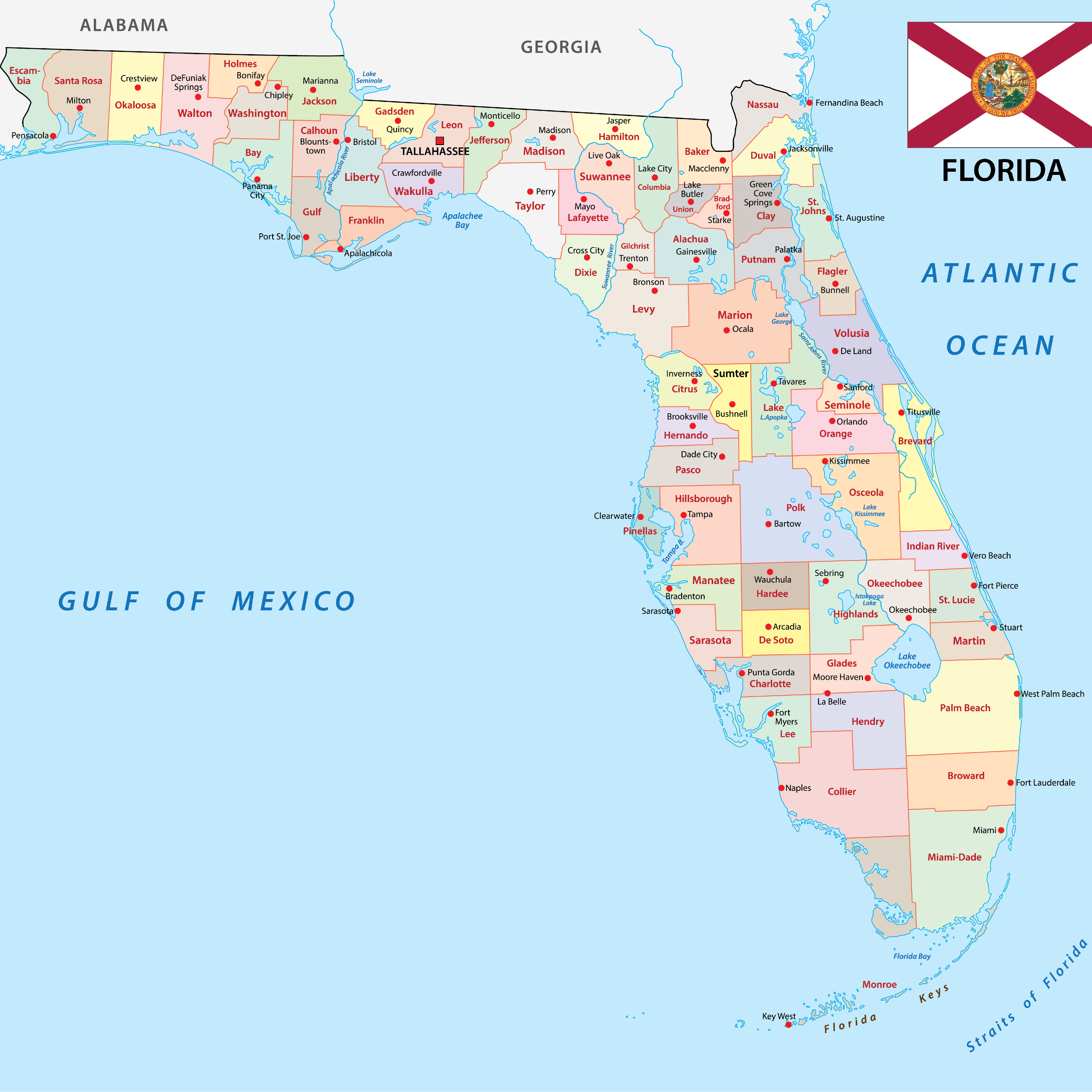
Florida’s diverse geography and vibrant culture create a tapestry of living experiences, each with its unique allure for prospective homeowners. From the sun-drenched beaches of the south to the rolling hills of the north, understanding these regional differences is key to finding the perfect place to call home. This exploration delves into what makes each part of the Sunshine State a compelling choice, highlighting the distinct climates, cultural offerings, economic landscapes, and lifestyle benefits that cater to a wide range of preferences.The Sunshine State offers a remarkable spectrum of living environments, each shaped by its geographical location, historical development, and economic drivers.
Whether you’re drawn to the fast-paced energy of a major metropolis, the serene tranquility of a coastal enclave, or the family-friendly atmosphere of a growing suburb, Florida has a region that aligns with your aspirations.
South Florida’s Tropical Vibrancy and Economic Hubs
South Florida, encompassing areas like Miami-Dade, Broward, and Palm Beach counties, is synonymous with a tropical climate, a pulsating cultural scene, and significant economic opportunities. The region boasts warm, humid summers and mild, pleasant winters, making it a year-round destination for outdoor enthusiasts. Its cultural landscape is a rich mosaic of Latin American, Caribbean, and American influences, evident in its diverse culinary offerings, music, art, and festivals.
Economically, South Florida is a global hub for international trade, finance, and tourism, attracting professionals and entrepreneurs alike.The lifestyle here is often characterized by a blend of cosmopolitan sophistication and laid-back beach living. Residents enjoy access to world-class dining, shopping, and entertainment, alongside pristine beaches, vibrant coral reefs for diving and snorkeling, and lush natural parks.
Central Florida’s Family Focus and Entertainment Powerhouse
Central Florida, anchored by Orlando and its surrounding counties, is renowned for its family-friendly atmosphere and its status as a global entertainment capital. The climate is generally warm and humid year-round, with distinct wet and dry seasons. Beyond the iconic theme parks, this region offers a growing job market in technology, healthcare, and aerospace. The presence of major universities also contributes to a dynamic educational and cultural environment.Central Florida offers a compelling mix of suburban comfort and urban amenities.
Many communities provide excellent schools, affordable housing options compared to South Florida, and a strong sense of community. The abundance of lakes and natural springs also provides ample opportunities for outdoor recreation, including boating, fishing, and hiking.
You also can understand valuable knowledge by exploring beach houses for sale in florida.
North Florida’s Historic Charm and Natural Beauty
North Florida, stretching from the Panhandle to the historic cities of St. Augustine and Jacksonville, presents a different facet of Florida living. The climate is more temperate than the southern regions, with cooler winters and less humidity. This area is rich in history, evident in its antebellum architecture and significant historical sites. Economically, it’s driven by industries like logistics, manufacturing, and military presence, particularly in Jacksonville.North Florida offers a more relaxed pace of life, often characterized by a strong sense of Southern hospitality.
The region is blessed with diverse natural landscapes, including rolling hills, extensive state parks, and a stunning coastline along the Gulf of Mexico and the Atlantic Ocean.
The Allure of Florida’s Coastal Communities
Florida’s extensive coastline is a major draw for home buyers, offering a distinct lifestyle centered around the ocean. From the Gulf Coast’s calm, clear waters and white-sand beaches to the Atlantic Coast’s more active surf and historic lighthouses, each coastal area provides unique recreational and scenic benefits.Coastal living in Florida is often associated with:
- Recreational Activities: Boating, fishing, kayaking, paddleboarding, surfing, and swimming are daily possibilities. The vibrant marine life also makes it a prime location for diving and snorkeling.
- Scenic Beauty: Sunrises over the Atlantic and sunsets over the Gulf create breathtaking vistas. The natural beauty extends to mangrove forests, estuaries, and protected wildlife refuges.
- Lifestyle Benefits: A relaxed, health-conscious lifestyle is often embraced, with ample opportunities for outdoor exercise and social gatherings. Proximity to beaches fosters a sense of well-being and connection with nature.
Many coastal communities also offer a strong sense of community, with local events, farmers’ markets, and waterfront dining contributing to a desirable living experience.
Suburban Versus Urban Living in Florida
The choice between suburban and urban environments in Florida significantly impacts the daily living experience and financial considerations.Urban areas, such as downtown Miami, Tampa, or Orlando, offer:
- Accessibility: Proximity to major employment centers, diverse cultural attractions, extensive public transportation networks, and a wide array of dining and entertainment options.
- Vibrancy: A fast-paced, energetic atmosphere with a constant flow of events and activities.
- Cost of Living: Generally higher housing costs and a more competitive real estate market.
Suburban areas, found on the outskirts of major cities, typically provide:
- Community Feel: A more laid-back, family-oriented environment with neighborhood parks, community events, and a stronger sense of belonging.
- Space and Affordability: Larger lot sizes, more spacious homes, and often more affordable housing prices compared to urban cores.
- Accessibility: While public transportation might be less extensive, most suburban areas offer convenient access to highways, making commutes to urban centers manageable.
The decision often hinges on individual priorities regarding career, family needs, lifestyle preferences, and budget.
Emerging and Underserved Areas for Home Buyers
Beyond the established markets, several emerging or underserved areas in Florida present compelling opportunities for home buyers seeking value and growth potential. These locations often offer a lower cost of entry, with the expectation of future appreciation as infrastructure develops and populations grow.Examples of such areas include:
- Inland cities with developing economies: Towns and smaller cities located away from the immediate coast, but with growing job sectors in technology, manufacturing, or healthcare, are seeing increased interest. For instance, areas in the interior of Central Florida or parts of North Florida are experiencing revitalization.
- Undiscovered coastal towns: While popular beach destinations are highly sought after, smaller, less-developed coastal communities might offer more affordable beachfront or near-beach properties, with the potential for significant value increase as they gain recognition.
- Areas benefiting from new infrastructure projects: Regions that are slated for new transportation links, educational institutions, or major commercial developments often signal future growth and investment potential.
These areas require diligent research into local economic trends, future development plans, and community amenities to ensure they align with long-term investment and lifestyle goals.
Conclusive Thoughts
In essence, navigating the Florida real estate market for homes for sale presents a rewarding journey filled with opportunity. By understanding the current market dynamics, exploring the diverse property offerings, meticulously following the acquisition process, and being mindful of financial and legal considerations, prospective buyers can confidently secure a piece of the Sunshine State. The allure of Florida living, combined with strategic planning, ensures a successful and fulfilling homeownership experience.
FAQ
What are the current interest rate trends for mortgages in Florida?
Interest rate trends for mortgages in Florida are influenced by national economic conditions, Federal Reserve policies, and lender-specific offerings. It is advisable to consult with mortgage brokers or lenders for the most up-to-date information and to explore various loan options.
How do property taxes vary across different Florida counties?
Property taxes in Florida vary significantly by county and municipality, depending on local government budgets, services provided, and millage rates. Researching specific county tax rates and understanding homestead exemptions is crucial for budgeting.
What is the average time it takes to close on a home in Florida?
The average closing time for a home in Florida typically ranges from 30 to 60 days, though this can be influenced by financing contingencies, inspection periods, and any unforeseen issues that may arise during the transaction.
Are there any specific regulations regarding short-term rentals in Florida that potential buyers should be aware of?
Yes, Florida has specific regulations regarding short-term rentals, which can vary by city and county. These may include licensing requirements, occupancy limits, and tax obligations. It’s essential to research local ordinances if you plan to rent out your property.
What are the typical costs associated with home inspections in Florida?
Home inspection costs in Florida generally range from $300 to $600, depending on the size of the property, the inspector’s experience, and any additional specialized inspections requested, such as for mold or a swimming pool.