Home houses, more than just a place to reside, represent a profound concept that resonates deeply within the human experience. This exploration delves into the multifaceted nature of what constitutes a home, moving beyond the physical structure to embrace the emotional, psychological, and societal dimensions that transform a dwelling into a true sanctuary.
We will unpack the evolving meaning of home houses, tracing its historical roots and contemporary interpretations shaped by societal shifts and technological advancements. Understanding how individual life experiences and cultural backgrounds influence our perception of home is crucial, leading us to develop a conceptual framework that illustrates the interconnectedness of physical space, psychological comfort, and social connection.
Unpacking the Multifaceted Meaning of ‘Home Houses’ in Contemporary Society
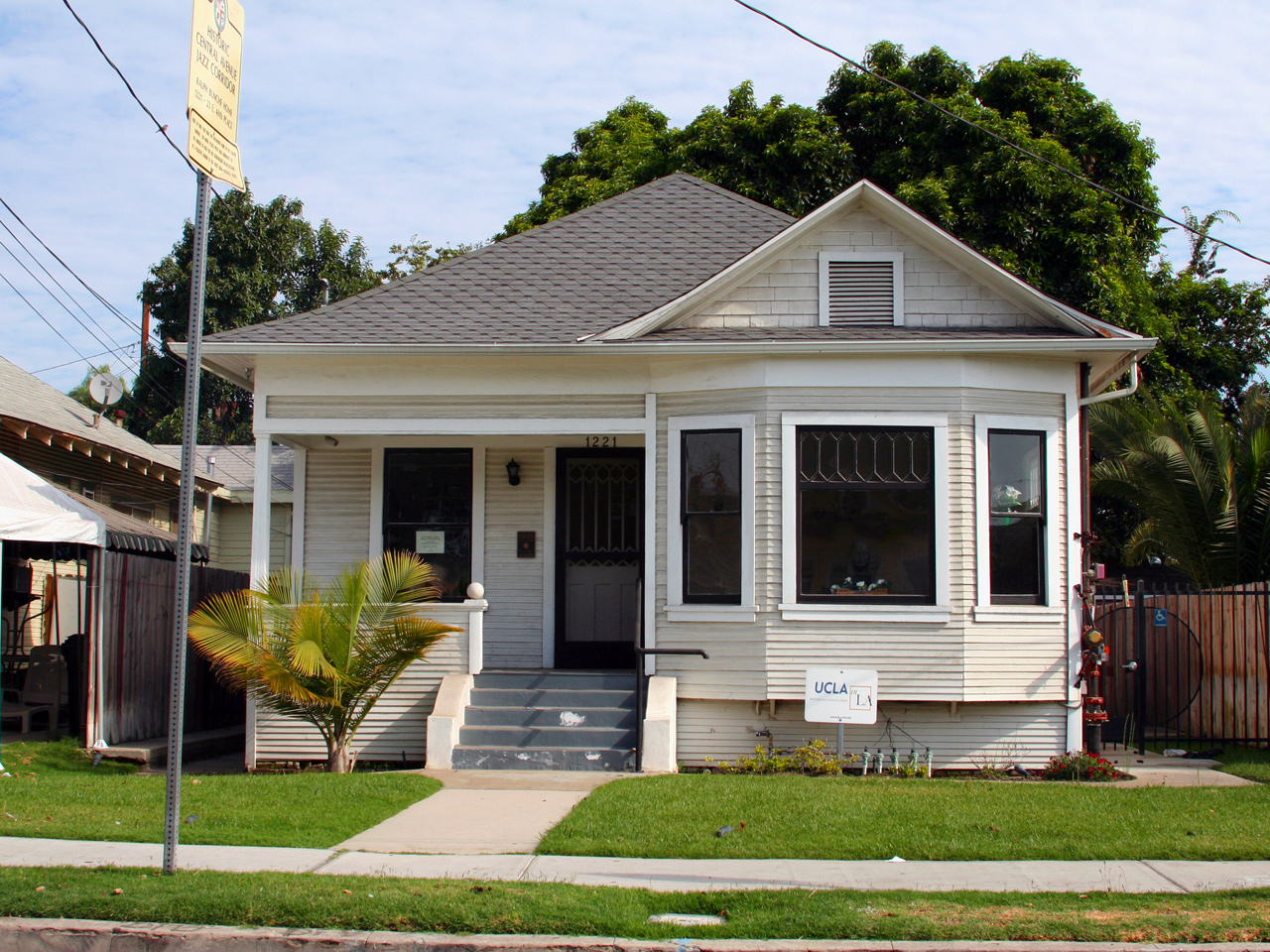
The term ‘home houses,’ while seemingly straightforward, delves into a rich tapestry of meanings that extend far beyond the physical structure of a dwelling. In today’s complex societal landscape, a ‘home house’ represents a profound intersection of psychological, emotional, and social dimensions, acting as a cornerstone for individual well-being and collective identity. It is the sanctuary where one can shed the pretenses of the outside world, a space imbued with personal history and future aspirations.
This multifaceted nature distinguishes it significantly from mere shelter, which primarily addresses basic needs for protection from the elements and physical safety. A home house, conversely, is a repository of memories, a stage for personal growth, and a foundation for emotional security. It is where relationships are nurtured, where individuality is expressed, and where a sense of belonging is cultivated.
The feeling of being “at home” is not solely contingent on the bricks and mortar but on the intangible qualities that transform a house into a haven. This includes the warmth of companionship, the comfort of familiarity, and the freedom to be one’s authentic self. The very essence of a home house lies in its capacity to provide a stable emotional anchor in an often-unpredictable world, fostering a sense of peace and contentment that mere accommodation cannot replicate.The evolution of the concept of ‘home houses’ is a fascinating journey, reflecting humanity’s changing societal structures, economic conditions, and technological advancements.
Historically, the concept of home was often intrinsically linked to extended family units and communal living. Dwellings served not only as residences but also as workplaces and centers for social and economic activity. The agricultural revolution, for instance, solidified the home as a hub for sustenance and survival, with multiple generations often residing and working together under one roof. As societies industrialized and urbanized, the nuclear family model gained prominence, leading to a more individualized notion of home.
The separation of work and home became more pronounced, and the dwelling increasingly became a private sanctuary for leisure and family life. Technological advancements have further reshaped this concept. The advent of electricity, plumbing, and communication technologies has dramatically altered the functionality and experience of a home house, offering greater convenience and connectivity. In the digital age, the lines between physical and virtual spaces are blurring, with smart homes and remote work transforming how we interact with our living environments.
Furthermore, globalization and increased mobility have introduced diverse interpretations of ‘home,’ with many individuals maintaining connections to multiple places or experiencing a sense of home in communities formed online rather than solely through physical proximity. This ongoing evolution underscores that the definition of a home house is not static but is a dynamic construct continuously shaped by the prevailing socio-cultural and technological paradigms.Individual life experiences and diverse cultural backgrounds profoundly shape the perception and significance of ‘home houses’ for varied populations, creating a rich mosaic of meaning.
For someone who has experienced displacement or homelessness, a home house might represent an ultimate aspiration, a symbol of stability and security that was once absent. The simple act of having a locked door, a private space, and a consistent address can carry immense emotional weight, signifying a return to normalcy and a sense of dignity. Conversely, for individuals from cultures where communal living and intergenerational households are the norm, the concept of home might be less about individual privacy and more about the collective well-being and the shared responsibilities within a larger family unit.
The sounds, smells, and routines associated with extended family gatherings can be integral to their definition of home. Cultural traditions, religious practices, and historical narratives also deeply influence what constitutes a home. For instance, in some cultures, the orientation of a house, the presence of specific architectural elements, or the way food is prepared and shared are all vital components of what makes a dwelling feel like a true home.
Furthermore, migration and diaspora experiences add another layer of complexity. Individuals living abroad may find their sense of home is a hybrid, blending memories of their homeland with the realities of their new environment, creating a unique and often deeply personal interpretation of belonging. The objects, foods, and social connections that evoke a sense of familiarity and comfort become crucial in constructing this sense of ‘home’ in unfamiliar territories.The interconnectedness of physical dwelling, psychological comfort, and social connection forms a conceptual framework that illustrates the holistic notion of ‘home houses.’ This framework posits that a home house is not merely an amalgamation of these elements but a dynamic interplay where each component reinforces and is reinforced by the others.
Conceptual Framework of ‘Home Houses’
The physical dwelling serves as the tangible foundation of a home house. This includes not only the structural integrity and basic amenities but also the aesthetic qualities and spatial arrangements that contribute to a sense of place. The design of a home, its colors, the natural light it receives, and the presence of personal belongings all contribute to its unique character and how it is perceived as a ‘home.’ For example, a spacious garden might signify a connection to nature and provide a space for recreation, enhancing the feeling of a home.
A well-organized kitchen can represent a hub for shared meals and family interaction, further solidifying its role as a home.
Psychological comfort is the emotional resonance that a physical space evokes. This is cultivated through feelings of safety, security, and belonging. It is the sense of peace one experiences when returning home after a long day, the freedom to express oneself without judgment, and the ability to retreat and recharge. This comfort is often built upon familiarity, routine, and the creation of personal sanctuaries within the dwelling.
For instance, a favorite armchair by the window where one can read or reflect can be a powerful symbol of psychological comfort. The absence of stress and the presence of positive emotional associations are crucial for a dwelling to be considered a true home.
Social connection refers to the relationships and interactions that take place within and around the home house. This encompasses the bonds shared with family members, friends, and the wider community. A home house is often the primary site for nurturing relationships, celebrating milestones, and offering support. The shared experiences, traditions, and rituals that occur within a home contribute significantly to its sense of belonging.
For example, regular family dinners, hosting gatherings with friends, or participating in neighborhood events all strengthen the social fabric of a home. The ability to share one’s home with loved ones and to feel connected to a social network amplifies the feeling of being truly ‘at home.’
The interplay between these three elements is crucial. A physically sound house without psychological comfort or social connection may remain merely a shelter. Conversely, strong social connections and psychological comfort can sometimes mitigate the impact of less-than-ideal physical dwellings, as seen in instances where individuals create a strong sense of home in challenging circumstances. The ideal ‘home house’ is where the physical environment supports psychological well-being, and both are enhanced by robust social connections, creating a holistic and deeply fulfilling sense of belonging.
The Architectural and Design Elements That Contribute to the Feeling of ‘Home Houses’.

The essence of a ‘home house’ transcends mere shelter; it’s a curated environment that fosters a profound sense of belonging, comfort, and personal identity. This feeling is meticulously crafted through a harmonious interplay of architectural styles, thoughtful design principles, and the strategic integration of natural elements. These components work in concert to transform a structure into a sanctuary, a place where inhabitants feel not only safe and secure but also deeply connected and at ease.
The following sections delve into the specific elements that contribute to this universally recognized and cherished feeling.
Architectural Styles and Design Principles for a Welcoming Environment
Certain architectural styles and design principles have, over time, become intrinsically linked with the concept of a welcoming and comfortable home. These are not merely aesthetic choices but are rooted in human psychology and our innate need for security, order, and connection. For instance, traditional styles often emphasize pitched roofs, visible structural elements like beams, and a sense of groundedness, evoking a feeling of permanence and stability.
The presence of a prominent entryway, often marked by a porch or a welcoming facade, acts as a psychological transition zone, signaling the shift from the public realm to the private sanctuary.Consider the enduring appeal of the Craftsman style, with its emphasis on natural materials, exposed woodwork, and a connection to the surrounding landscape. Its low-pitched roofs, wide eaves, and large front porches invite occupants and visitors alike, creating an immediate sense of approachable warmth.
Similarly, the Ranch style, with its sprawling, single-story layout, promotes a sense of ease and accessibility, blurring the lines between indoor and outdoor living through sliding glass doors and patios. These styles, while distinct, share a common thread of human-centric design, prioritizing functionality, comfort, and a tangible connection to the environment.Beyond specific styles, fundamental design principles contribute significantly. The concept of “proportionality” ensures that spaces feel neither overwhelming nor cramped, fostering a sense of balance.
The “rhythm” created by repetitive elements, such as windows or columns, can create a calming visual flow. Furthermore, the careful consideration of “hierarchy,” where certain spaces are given more prominence or distinctiveness, helps to organize the living experience and guide inhabitants through their home. The strategic use of natural light, for example, is a powerful design tool that can dramatically influence the perceived warmth and openness of a space.
Impact of Interior Design Choices on Warmth and Personal Expression
The interior of a ‘home house’ is where the abstract concept of comfort is made tangible through deliberate design choices. These choices, ranging from the hues that adorn the walls to the very arrangement of furniture, profoundly shape the emotional atmosphere and allow for the expression of individual personality. The careful selection of a color palette is perhaps one of the most immediate and impactful ways to influence the feeling of a space.
Warm colors like soft yellows, gentle oranges, and earthy browns tend to create an inviting and cozy ambiance, evoking feelings of happiness and security. Conversely, cooler tones such as blues and greens can promote a sense of calm and tranquility, though their effectiveness in fostering warmth is often dependent on their saturation and how they are balanced with other elements.The arrangement of furniture plays a critical role in defining the flow and functionality of a room, directly impacting the sense of comfort and ease.
Furniture that is clustered to encourage conversation, with comfortable seating arranged in intimate groupings, fosters a sense of connection and sociability. The inclusion of soft furnishings like plush rugs, throw pillows, and draped fabrics further enhances this feeling of tactile warmth and comfort. Personal expression is woven into the fabric of the interior through the display of art, photographs, cherished objects, and collections.
These elements transform a generic space into a unique reflection of the inhabitants’ lives, experiences, and tastes, making the house truly feel like a home.Lighting, often an underestimated element, is a powerful tool for shaping mood and enhancing personal expression. Layered lighting, incorporating ambient, task, and accent lighting, allows for versatility and control over the atmosphere. Soft, diffused ambient light, perhaps from a dimmable overhead fixture or strategically placed floor lamps, creates a gentle glow that is conducive to relaxation.
Task lighting, focused on areas for reading or working, ensures functionality without sacrificing comfort. Accent lighting, used to highlight artwork or architectural features, adds depth and visual interest, allowing personal tastes to shine through. The choice between warm and cool light bulbs can also dramatically alter the perception of a space, with warmer tones generally contributing more to a feeling of coziness.
Role of Natural Elements in Enhancing Well-being and the Feeling of Home
The integration of natural elements into the design of a ‘home house’ is fundamental to fostering psychological well-being and deepening the sense of belonging. Humans have an innate biophilic drive, a deep-seated need to connect with nature, and bringing the outdoors in can significantly enhance our sense of comfort and vitality. Sunlight, often referred to as nature’s mood enhancer, is a prime example.
Its natural illumination not only reduces the need for artificial light but also has a profound impact on our circadian rhythms, improving sleep patterns and boosting overall mood. Large windows, skylights, and strategically placed openings that maximize natural light penetration are therefore crucial architectural features.Greenery, in the form of indoor plants and accessible outdoor spaces like gardens or balconies, further bridges the gap between the built environment and the natural world.
Plants not only purify the air but also add visual softness and a sense of life to interior spaces. The presence of trees, flowers, and other vegetation visible from windows can reduce stress and promote feelings of peace and rejuvenation. The simple act of being able to look out at a natural scene can have a restorative effect, counteracting the stresses of modern life.Natural materials, such as wood, stone, and natural fibers, possess an inherent warmth and texture that artificial materials often struggle to replicate.
The grain of wood, the coolness of stone, and the softness of wool or cotton textiles contribute to a sensory experience that is deeply comforting and grounding. These materials connect us to the earth and evoke a sense of authenticity and timelessness. The tactile quality of these materials invites interaction and enhances the overall feeling of being present and grounded within the home.
Innovative and Sustainable Design Practices for Environmentally Responsible Homes
The evolution of ‘home houses’ is increasingly intertwined with the imperative for environmental responsibility, leading to innovative and sustainable design practices that enhance both ecological integrity and human comfort. These practices move beyond mere aesthetics to embrace a holistic approach that considers the long-term impact of construction and occupancy. For instance, passive design strategies, which harness natural forces like sunlight and wind to regulate temperature and lighting, are gaining prominence.
This includes features like strategic building orientation to maximize solar gain in winter and minimize it in summer, the use of overhangs and louvers for shading, and the incorporation of cross-ventilation for natural cooling.The selection of building materials is a critical aspect of sustainable design. Opting for locally sourced, recycled, or rapidly renewable materials like bamboo, reclaimed timber, or recycled steel significantly reduces the embodied energy of a building.
Furthermore, materials with low volatile organic compound (VOC) emissions contribute to healthier indoor air quality, directly benefiting the well-being of inhabitants. The use of high-performance insulation, such as cellulose or mineral wool, and energy-efficient windows and doors minimizes heat loss and gain, reducing reliance on active heating and cooling systems.Water conservation is another key area where innovation is making a difference.
Rainwater harvesting systems, greywater recycling, and the installation of low-flow fixtures can drastically reduce a household’s water consumption. Renewable energy sources, such as solar panels for electricity generation and solar thermal systems for hot water, further contribute to a home’s sustainability profile, reducing its carbon footprint and often leading to significant cost savings for homeowners. These practices not only align with a growing environmental consciousness but also create homes that are more resilient, efficient, and ultimately, more comfortable and cost-effective to live in, embodying a forward-thinking vision of what a ‘home house’ can be.
The socio-economic factors influencing the accessibility and desirability of ‘home houses’.
The pursuit and realization of a ‘home house’ are deeply intertwined with a complex web of socio-economic forces. These factors not only dictate who can afford to own or rent a home but also shape the very definition and desirability of what constitutes a ‘home house’ in contemporary society. From individual financial capacities to broader societal aspirations and governmental interventions, these elements collectively sculpt the housing landscape and influence our lived experiences within it.The economic realities surrounding the acquisition and upkeep of ‘home houses’ present a significant barrier for many, particularly across different income strata.
For lower-income households, the dream of homeownership can feel perpetually out of reach due to a combination of stagnant wage growth, rising property values, and stringent lending requirements. The initial capital needed for a down payment, coupled with ongoing costs like mortgage payments, property taxes, insurance, and maintenance, can be overwhelming. Even for those who manage to secure a mortgage, the risk of financial strain during economic downturns or unexpected personal financial emergencies is a constant concern.
This often leads to a greater reliance on rental markets, which, while offering flexibility, may not provide the same sense of stability and long-term investment potential associated with owning a ‘home house’.For middle-income families, the economic equation becomes a careful balancing act. While they may have access to better financing options and a more substantial down payment, the escalating cost of housing in desirable areas often forces compromises.
This might mean sacrificing desired locations, opting for smaller properties, or delaying homeownership altogether. The concept of ‘investment’ also plays a crucial role; many view a ‘home house’ not just as a dwelling but as a significant asset that appreciates over time. This investment perspective can drive purchasing decisions, sometimes leading individuals to acquire properties that might be larger than immediately needed, with the expectation of future financial returns or the ability to accommodate a growing family.
Conversely, for high-income earners, the economic factors are less about affordability and more about strategic investment, luxury, and the acquisition of prime real estate that aligns with their lifestyle and social standing. The maintenance of such properties also becomes a significant consideration, often involving substantial budgets for upkeep, renovations, and property management.
Societal pressures and aspirations driving housing choices.
Beyond pure economics, societal pressures and deeply ingrained aspirations significantly influence what individuals and families perceive as an ideal ‘home house’. The cultural narrative often glorifies homeownership as a marker of success, stability, and belonging. This narrative is perpetuated through media, social circles, and generational expectations, creating a strong desire for a personal dwelling that reflects one’s achievements and social standing.
The type of ‘home house’ sought is often dictated by these societal ideals, leading to distinct trends in living preferences.Suburban living, for instance, has long been associated with the quintessential ‘home house’ – a detached single-family dwelling with a yard, often seen as a safe and nurturing environment for raising children. This aspiration is fueled by images of idyllic family life, community engagement, and a perceived escape from the hustle and bustle of urban centers.
The suburban ‘home house’ represents a tangible symbol of having ‘made it’ in the eyes of many. In contrast, urban living appeals to a different set of aspirations, often driven by career opportunities, access to culture and entertainment, and a desire for a more dynamic lifestyle. Here, the ‘home house’ might take the form of a condominium, townhouse, or even a smaller, well-designed apartment in a vibrant neighborhood, prioritizing convenience and proximity to amenities over expansive private space.Rural living, while perhaps less dominant in mainstream discourse, holds a powerful appeal for those seeking tranquility, a connection with nature, and a sense of self-sufficiency.
The rural ‘home house’ often embodies a simpler, more grounded existence, offering a retreat from the pressures of modern life. These aspirations are not static; they evolve with cultural shifts and individual life stages. For example, younger generations may prioritize flexibility and proximity to work in urban settings, while those starting families might gravitate towards suburban ideals. The pressure to conform to these perceived norms can be substantial, influencing decisions about location, size, and style of housing, even if it means compromising on other personal preferences or financial prudence.
The relentless pursuit of the ‘ideal’ ‘home house’ is, therefore, a complex interplay of personal desires, familial needs, and the pervasive influence of societal expectations.
Government policies, housing market dynamics, and community planning impacts.
The availability, character, and accessibility of ‘home houses’ are profoundly shaped by a confluence of government policies, the inherent dynamics of the housing market, and the strategic initiatives of community planning. These macro-level forces create the framework within which individuals and families navigate their housing journeys. Government policies, ranging from zoning regulations and building codes to property tax structures and housing subsidies, directly influence the types of homes that can be built, where they can be located, and at what cost.
For instance, restrictive zoning laws can limit the density of housing development, driving up prices by constraining supply, particularly in high-demand urban areas. Conversely, incentives for affordable housing development or policies that encourage mixed-use developments can foster greater diversity and accessibility.The housing market itself operates on principles of supply and demand, influenced by factors such as interest rates, economic growth, and investor activity.
Periods of low interest rates, for example, can make mortgages more affordable, stimulating demand and potentially driving up property values. Conversely, economic downturns can lead to decreased demand, foreclosures, and a softening of the market. Speculative investment in real estate can also distort market dynamics, leading to inflated prices that are detached from local incomes, making it harder for owner-occupiers to acquire ‘home houses’.
Community planning initiatives, such as the development of public transportation networks, the creation of green spaces, and the provision of essential services like schools and healthcare facilities, also play a critical role in shaping the desirability and value of different neighborhoods. Well-planned communities with robust infrastructure and amenities tend to attract more residents and investment, further influencing housing accessibility and character.
The integration of these elements – government oversight, market forces, and thoughtful planning – is crucial for creating housing environments that are both sustainable and equitable, ultimately impacting the realization of the ‘home house’ for a broad spectrum of the population.
Diverse housing models and their implications for the concept of ‘home houses’.
The traditional image of a ‘home house’ as a detached single-family dwelling is increasingly being challenged and expanded by a growing array of diverse housing models, each carrying unique implications for how we conceive of and experience ‘home’. These evolving models reflect changing societal needs, economic realities, and a desire for different forms of community and living. Traditional single-family dwellings, while still a dominant ideal for many, are often criticized for their land-intensive nature and potential for social isolation.
Their appeal lies in the promise of private space, autonomy, and a tangible asset.However, the rise of co-housing arrangements offers a compelling alternative, emphasizing shared resources and community interaction. In co-housing, residents typically own private dwelling units but share common facilities such as kitchens, dining areas, gardens, and recreational spaces. This model fosters a strong sense of community and mutual support, often leading to more sustainable lifestyles and reduced individual living costs.
For those seeking a more communal definition of ‘home’, co-housing provides a structured environment for shared living that transcends the individual unit. Micro-homes, on the other hand, represent a radical rethinking of space and consumption. These compact dwellings, often under 400 square feet, prioritize functionality and minimalist living. They appeal to individuals and couples seeking affordability, reduced environmental impact, and a less cluttered lifestyle.
The micro-home challenges the notion that a ‘home house’ must be large and feature-rich, suggesting that true ‘home’ can be found in efficient design and intentional living.Other models, such as multi-generational housing, where extended families live together under one roof or in adjacent units, are gaining traction as a response to economic pressures and a desire for stronger family ties.
This model reclaims a more traditional approach to living, emphasizing shared responsibilities and support networks. Furthermore, the increasing prevalence of accessory dwelling units (ADUs), also known as granny flats or in-law suites, allows homeowners to create smaller, independent living spaces on their existing property, offering solutions for aging parents, young adult children, or rental income. These diverse housing models highlight a broader understanding of what constitutes a ‘home house’, moving beyond a singular, prescriptive definition to embrace a spectrum of living arrangements that cater to varied needs, values, and aspirations in contemporary society.
The Psychological and Emotional Dimensions of What Constitutes ‘Home Houses’
The concept of ‘home houses’ extends far beyond mere bricks and mortar; it delves into the profound psychological and emotional landscapes that shape our sense of belonging and well-being. These spaces are not just structures we inhabit but are intricately woven into our identities, serving as anchors for our experiences, emotions, and personal growth. Understanding these dimensions is crucial to appreciating why a house becomes a home and how this transformation impacts our lives.
The Psychological Impact of Creating a Personal Sanctuary: Privacy and Individual Space
The creation of a personal sanctuary within one’s ‘home houses’ is a fundamental aspect of psychological well-being. In a world that often demands constant interaction and exposure, the ability to retreat into a private, individual space offers a vital respite. This sanctuary is more than just a room; it is a mental and emotional buffer against external pressures, a place where one can decompress, recharge, and simply be without the need for performance or social pretense.
The importance of privacy cannot be overstated. It allows for introspection, self-reflection, and the cultivation of one’s inner life. Without adequate private space, individuals can experience increased stress, anxiety, and a diminished sense of autonomy. This is particularly true in densely populated urban environments or multi-generational households where personal space might be limited. The design of a ‘home house’ plays a critical role in facilitating this.
Thoughtful architectural elements such as soundproofing, strategically placed windows that offer controlled views, and distinct zones for different activities can significantly enhance the feeling of privacy. Individual space is also about having areas that are exclusively one’s own, whether it’s a dedicated study, a hobby room, or even a corner of a shared living area that is designated for personal pursuits.
This ownership, both physical and psychological, fosters a sense of control and security, which are essential for mental health. When individuals feel they have a personal domain within their dwelling, they are more likely to feel safe, respected, and capable of managing their emotional state. This sense of security is the bedrock upon which a true ‘home house’ is built, transforming a functional dwelling into a nurturing environment that supports psychological resilience and personal flourishing.
The psychological benefits are manifold, contributing to reduced stress levels, improved focus, and a greater overall sense of contentment.
The Role of Memories, Traditions, and Personal Artifacts in Imbuing a Dwelling with the Essence of ‘Home Houses’
A physical dwelling gains its true essence of ‘home houses’ not solely through its architectural design or functional utility, but through the rich tapestry of memories, traditions, and personal artifacts that inhabit it. These elements act as invisible threads, weaving a narrative that imbues the space with a unique and irreplaceable character. Memories are the emotional residue of lived experiences; a child’s first drawing taped to the refrigerator, the worn armchair where stories were read, or the scuff marks on the floor from boisterous play all serve as potent reminders of life’s journey.
These tangible echoes of the past create a sense of continuity and history, grounding individuals in their personal narrative. Traditions, whether grand or intimate, further solidify this connection. The annual ritual of decorating a Christmas tree, the Sunday family dinner, or the quiet moment of sharing a cup of tea in the morning – these recurring events imbue the ‘home house’ with a rhythm and a sense of shared purpose.
They become ingrained in the spatial experience, transforming ordinary moments into cherished rituals that define the family’s identity. Personal artifacts, from photographs and inherited heirlooms to collected curiosities and beloved books, are the physical manifestations of these memories and traditions. A faded photograph of grandparents on the mantelpiece, a quirky souvenir from a memorable trip, or a collection of well-loved novels on a shelf are more than just objects; they are storytellers.
They offer visual cues that trigger emotional responses, spark conversations, and reinforce a sense of belonging. These items create a dialogue between the past and the present, making the dwelling feel lived-in, personal, and deeply connected to its occupants. Without these elements, a house, no matter how well-designed, remains an impersonal shell. It is the accumulation of these personal touches, the stories they tell, and the emotions they evoke that truly transform a dwelling into a cherished ‘home house,’ a repository of a life lived.
The Contribution of Loved Ones, Pets, and a Supportive Community to the Emotional Resonance of ‘Home Houses’
The emotional resonance of a ‘home house’ is profoundly amplified by the presence of loved ones, pets, and a supportive community. While personal sanctuary and cherished memories are vital, it is the human (and animal) connections that truly breathe life and warmth into a dwelling, transforming it into a vibrant hub of emotional experience. The presence of loved ones – partners, children, family members – is arguably the most significant contributor to the feeling of ‘home houses.’ Shared laughter, comforting embraces, collaborative decision-making, and the simple act of coexisting create a dynamic environment of mutual support and affection.
These relationships foster a sense of security, belonging, and unconditional acceptance, making the dwelling a safe harbor for emotional expression and vulnerability. Pets, too, play an indispensable role in this emotional landscape. Their unconditional love, playful antics, and comforting presence can alleviate stress, combat loneliness, and provide a unique form of companionship that enriches the lives of their human counterparts.
The routines associated with pet care – feeding, walking, grooming – can also create a sense of purpose and connection within the household. Beyond the immediate inhabitants, a supportive community surrounding the ‘home house’ contributes significantly to its emotional resonance. This can manifest in various ways, from friendly neighbours who offer a helping hand or a shared conversation, to participation in local events and social gatherings.
Knowing that one is part of a network of care and mutual support extends the feeling of home beyond the four walls of the dwelling, creating a broader sense of security and belonging. This external connection can be particularly important during times of hardship, providing a safety net of emotional and practical assistance. Ultimately, it is the intricate web of relationships – within the household and in the wider community – that imbues a ‘home house’ with its deepest emotional significance, making it a place of joy, comfort, and enduring connection.
Emotional Attachment to a ‘Home House’ During Physical Relocation
The concept of emotional attachment to a ‘home house’ is so powerful that it often persists even when physical relocation becomes a necessity. This enduring connection highlights that ‘home’ is not merely a geographical location but a deeply ingrained emotional and psychological construct. When individuals are forced to move, whether due to economic reasons, family circumstances, or personal aspirations, the process of leaving a familiar dwelling can be profoundly disorienting.
The ‘home house’ becomes more than just a building; it is a repository of significant life events, a silent witness to personal growth, and the backdrop against which countless cherished memories were created. The familiarity of its layout, the specific scent of its rooms, the way sunlight falls through particular windows – these sensory details become etched into one’s consciousness, forming a powerful emotional anchor.
Even after moving, the ‘home house’ continues to exist in the mind’s eye, a mental sanctuary that can be revisited at will. This internal representation can provide comfort and a sense of continuity during the often-stressful transition to a new environment. The connection persists through various means: reminiscing about past experiences within its walls, sharing stories of the dwelling with new acquaintances, or even maintaining contact with former neighbours who can offer updates.
In some cases, individuals may even find themselves recreating elements of their former ‘home house’ in their new dwelling, seeking to recapture a sense of familiarity and comfort. This phenomenon underscores the idea that the essence of ‘home’ is portable; it resides within the individual as much as it is tied to a physical structure. The emotional bond formed with a ‘home house’ is a testament to its role in shaping identity and providing a foundation for emotional security, a bond that can transcend physical distance and the passage of time, proving that the heart can remain tethered to a place even when the body has moved on.
The future trajectories of ‘home houses’ in response to evolving lifestyles and technologies.
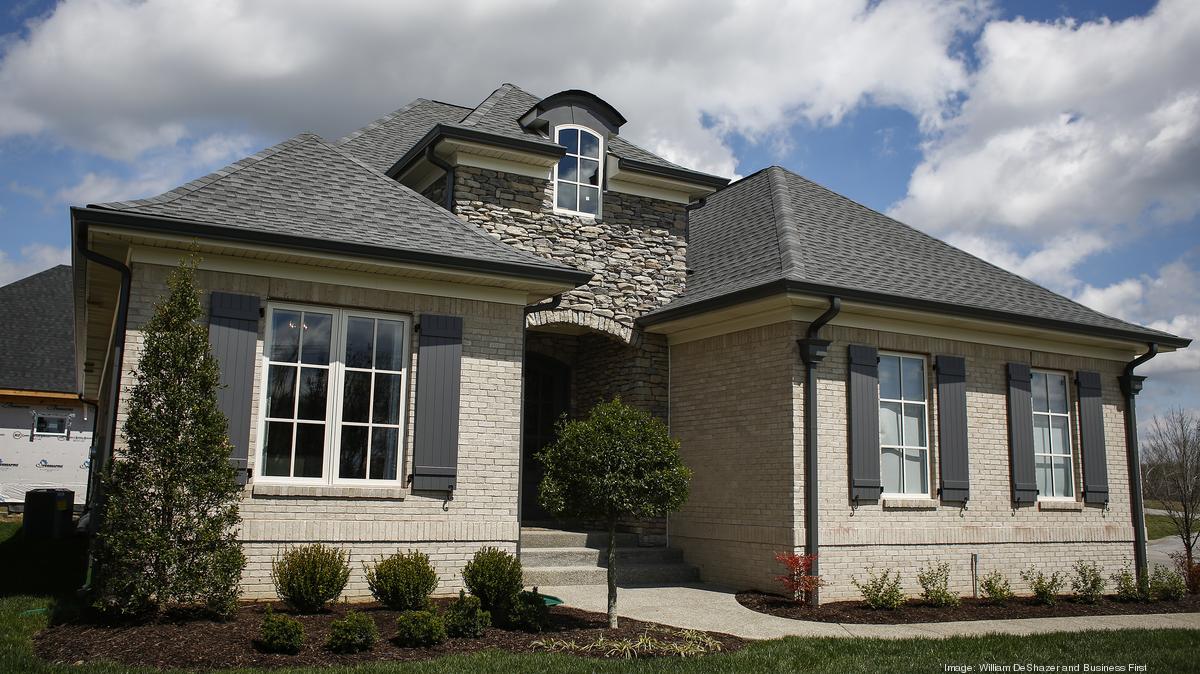
The concept of ‘home houses’ is not static; it’s a dynamic entity continuously shaped by the ever-accelerating pace of technological advancement and the evolving tapestry of human lifestyles. As we look towards the horizon, several key forces are poised to fundamentally redefine what constitutes a home, how we interact with it, and where we choose to establish our roots. This section delves into these transformative influences, projecting a future where our living spaces are more intelligent, adaptable, and deeply integrated with our personal and professional lives.The trajectory of ‘home houses’ is being significantly altered by a confluence of technological innovations and shifting societal norms.
From the ubiquitous integration of smart home systems to the increasing prevalence of remote work, the very fabric of domestic life is undergoing a profound metamorphosis. These changes necessitate a re-evaluation of traditional architectural paradigms and a forward-thinking approach to design, location, and functionality. Understanding these future trajectories is crucial for anticipating the needs and desires of future inhabitants and for shaping environments that foster well-being, productivity, and a profound sense of belonging.
Advancements in Smart Home Technology Redefining Functionality and User Experience
The integration of smart home technology is rapidly moving beyond mere convenience to fundamentally redefine the functionality and user experience of ‘home houses’. We are witnessing a shift from isolated smart devices to a fully integrated ecosystem that anticipates and responds to inhabitants’ needs proactively. Imagine a home that learns your daily routines, adjusting lighting, temperature, and even ambient soundscapes to optimize comfort and energy efficiency without explicit commands.
Advanced sensors, powered by artificial intelligence and machine learning, will monitor air quality, detect potential hazards like leaks or fires with unparalleled accuracy, and even track the well-being of occupants, offering personalized health recommendations or alerting emergency services. The user interface will evolve from clunky apps to intuitive, voice-activated systems, gesture controls, and even predictive interfaces that present relevant information and controls before you even think to ask.
For instance, as you approach your home, the system could pre-emptively adjust the thermostat based on the external weather and your known preferences, unlock the door, and even cue up your favorite playlist. Security will become more sophisticated, with facial recognition entry, real-time monitoring of activity, and the ability to remotely control and view every aspect of your home from anywhere in the world.
Furthermore, smart home technology will enable greater energy independence and sustainability, with systems that optimize solar energy generation and consumption, manage water usage efficiently, and even facilitate seamless integration with the broader smart grid. This pervasive intelligence will transform ‘home houses’ from passive structures into active partners in our daily lives, enhancing safety, comfort, and resource management.
Impact of Remote Work and Flexible Living Arrangements on Design and Location Preferences
The widespread adoption of remote work and flexible living arrangements is fundamentally reshaping the design and location preferences for ‘home houses’. The traditional separation between living and working spaces is dissolving, leading to a demand for homes that can seamlessly accommodate both professional and personal activities. This translates into a need for dedicated, well-designed home offices that are not merely an afterthought but integral to the overall living environment, potentially featuring enhanced soundproofing, adjustable lighting for video conferencing, and integrated ergonomic furniture.
Beyond the home office, the concept of flexible spaces within the home becomes paramount. Rooms may need to be reconfigurable to serve multiple purposes – a dining area that can transform into a collaborative workspace, or a guest room that doubles as a hobby studio. This adaptability is crucial for individuals and families who are no longer tethered to a physical office location.
Consequently, location preferences are also undergoing a transformation. While urban centers may retain their appeal for certain amenities and social connections, the rise of remote work is empowering individuals to consider more suburban, rural, or even exurban locations that offer a better quality of life, more space, and a closer connection to nature, without sacrificing career opportunities. This decentralization trend could lead to the revitalization of smaller towns and communities, as well as the development of new residential models that cater to a dispersed workforce.
The emphasis shifts from proximity to a central business district to access to reliable high-speed internet, green spaces, and community amenities that support a balanced lifestyle. For example, we might see the emergence of co-living spaces designed specifically for remote workers, offering shared workspaces, networking opportunities, and a sense of community alongside private living quarters.
Changing Demographic Trends Shaping the Future of ‘Home Houses’
Shifting demographic trends, particularly an aging population and increased urbanization, are profoundly influencing the future of ‘home houses’. As global populations age, there is a growing need for homes that can accommodate the evolving needs of older adults, promoting independence, safety, and social engagement. This translates into a demand for accessible design features such as single-story living, wider doorways, lever-style door handles, and walk-in showers.
Smart home technology will play a crucial role in supporting aging in place, with features like fall detection sensors, medication reminders, and remote monitoring systems that allow family members or caregivers to stay connected and provide assistance when needed. Beyond individual homes, we may see a rise in intergenerational living arrangements or the development of co-housing communities specifically designed for seniors, fostering social interaction and mutual support.
Simultaneously, the persistent trend of urbanization presents its own set of challenges and opportunities for ‘home houses’. As more people flock to cities, the demand for housing in urban centers intensifies, leading to smaller living spaces and a greater emphasis on efficient design and multi-functional furniture. Micro-apartments and modular housing solutions are likely to become more prevalent, offering affordable and adaptable living options in densely populated areas.
However, urbanization also necessitates a focus on creating green and sustainable urban environments. Future urban ‘home houses’ will likely incorporate more vertical gardens, rooftop farms, and integrated renewable energy systems to mitigate the environmental impact of dense living. Furthermore, the increasing diversity of household structures, including single-person households, chosen families, and blended families, will require ‘home houses’ to be more flexible and adaptable to a wider range of needs and lifestyles, moving away from the traditional nuclear family model.
A Vision for the ‘Home Houses’ of Tomorrow: Sustainability, Adaptability, and Virtual Integration
The ‘home houses’ of tomorrow will be characterized by a harmonious blend of sustainability, adaptability, and the seamless integration of virtual and augmented reality experiences, creating living spaces that are not only functional but also deeply enriching. Sustainability will be a cornerstone, moving beyond energy efficiency to encompass a holistic approach to environmental responsibility. This will involve the widespread use of recycled and renewable building materials, passive design principles that maximize natural light and ventilation, and advanced energy generation systems such as integrated solar panels, geothermal heating and cooling, and even small-scale wind turbines.
Water conservation will be paramount, with sophisticated rainwater harvesting and greywater recycling systems becoming standard. Adaptability will be key to future-proofing homes against changing needs and unforeseen circumstances. Modular construction techniques will allow for easy expansion or reconfiguration of living spaces, enabling homes to evolve with their inhabitants. Walls might be movable, rooms could transform in function, and furniture could be integrated into the architecture, maximizing utility in smaller footprints.
The integration of virtual and augmented reality (VR/AR) will revolutionize the user experience, blurring the lines between the physical and digital realms. Imagine AR overlays that provide real-time information about your home’s energy consumption, or allow you to virtually redecorate a room before committing to physical changes. VR could be used for immersive entertainment, virtual travel, or even remote collaboration and learning experiences conducted within the comfort of your home.
For instance, a family could gather in a virtual living room to share a holiday experience with distant relatives, or a student could attend a virtual lecture with an instructor who appears as a holographic presence in their study. This integration will create richer, more personalized, and more connected living environments, where technology enhances rather than detracts from the human experience.
Outcome Summary
Ultimately, the concept of home houses is a dynamic and deeply personal one, evolving with us through life’s changes. By understanding its multifaceted nature, from the architectural elements that foster comfort to the socio-economic factors influencing accessibility and the profound psychological dimensions, we gain a richer appreciation for the spaces that truly nurture our well-being. As we look to the future, the essence of home houses will undoubtedly continue to adapt, promising innovative and responsive living environments that meet the diverse needs of generations to come.
FAQ Summary
What is the difference between a house and a home?
A house is a physical structure, while a home is a place where one feels a sense of belonging, security, and personal identity, often imbued with memories and emotional attachments.
How does technology impact the concept of home houses?
Advancements in smart home technology can enhance convenience and security, while also potentially blurring the lines between personal space and digital connectivity, redefining the user experience of a home.
Can a home be considered a home if you move frequently?
Yes, the emotional attachment and sense of belonging can persist even with physical relocation. Memories, traditions, and personal artifacts can be carried forward, allowing individuals to create a sense of home in new environments.
What are some sustainable design practices for creating a home?
Sustainable practices include using eco-friendly materials, incorporating energy-efficient systems, maximizing natural light, and designing for longevity and adaptability to minimize environmental impact.