Florida homes present a fascinating blend of historical charm, climate-conscious design, and vibrant market dynamics. This exploration delves into the architectural evolution that shapes the Sunshine State’s residences, from Spanish colonial roots to contemporary aesthetics, all while adapting to the unique environmental demands of its subtropical climate. We’ll also navigate the economic currents driving demand and investment opportunities, the essential legal frameworks governing property ownership, and the practical considerations for embracing the Florida lifestyle.
Understanding the nuances of Florida homes involves appreciating the diverse styles that dot its landscape, influenced by centuries of history and the ever-present tropical weather. From the sun-drenched shores to the bustling inland cities, each region offers a distinct living experience. This guide aims to provide a thorough overview, equipping you with the knowledge to make informed decisions whether you’re buying, investing, or simply dreaming of life in Florida.
Exploring Florida’s Diverse Residential Architectural Styles and Their Regional Manifestations
Florida’s architectural landscape is a vibrant tapestry woven from threads of history, climate, and diverse cultural influences. From the sun-drenched shores of South Florida to the historic charm of the Panhandle, residential architecture here tells a compelling story of adaptation and enduring style. Understanding these styles offers a unique window into the state’s past and its ongoing relationship with its environment.
Historical Evolution of Florida Home Architecture
The architectural journey of Florida homes is a fascinating narrative, beginning with the earliest European settlers and evolving through centuries of development and changing tastes. The Spanish colonial era laid foundational elements that still resonate today, emphasizing practicality and adaptation to the subtropical climate. These early structures, often found in the oldest settlements like St. Augustine, typically featured thick stucco walls for insulation, red tile roofs to withstand heavy rains and deter pests, and courtyards or patios for outdoor living and ventilation.
Arches were a common motif, providing structural support and an aesthetic touch.As Florida transitioned through periods of British, American, and later, significant influxes of new residents, architectural trends diversified. The late 19th and early 20th centuries saw the rise of Victorian and Queen Anne styles, particularly in more established towns, characterized by ornate detailing, steep gabled roofs, and decorative gingerbread trim.
However, the true paradigm shift came with the mid-century modern movement, which gained significant traction in Florida from the 1940s through the 1960s. This era embraced clean lines, open floor plans, and a strong connection to the outdoors. Architects like Albert C. Wood and Rufus Nims were instrumental in popularizing this style, which often featured flat or low-pitched roofs, large expanses of glass, terrazzo flooring, and an emphasis on natural materials.
The post-World War II housing boom also led to the proliferation of ranch-style homes, characterized by their single-story layout, elongated form, and integration with suburban landscapes.More contemporary influences have brought a blend of these historical styles with modern building technologies and design philosophies. There’s a renewed appreciation for sustainable design, energy efficiency, and the incorporation of local materials. Today’s Florida homes often draw inspiration from the past while incorporating advanced hurricane-resistant features and smart home technology.
For instance, the “Florida Cracker” style, a vernacular architecture developed by early Anglo-American settlers, with its raised foundations, wide verandas, and simple, functional design, continues to inform modern sustainable building practices, demonstrating a cyclical return to time-tested principles. The characteristic features of each era, from the Spanish arches and tile roofs to the mid-century glass walls and open patios, collectively shape the unique architectural identity of Florida.
Impact of Florida’s Climate on Architectural Choices
Florida’s distinct climate, characterized by intense heat, high humidity, frequent rainfall, and the ever-present threat of hurricanes, has profoundly shaped its residential architecture. Survival and comfort in this environment necessitate specific design strategies and material choices. Elevated foundations, often seen as raised piers or crawl spaces, are a critical feature, particularly in coastal and flood-prone areas. This elevation serves multiple purposes: it protects the home from storm surge and rising waters during hurricanes and heavy rains, and it also promotes air circulation beneath the structure, helping to keep the living spaces cooler.
Visually, these elevated homes often appear to sit gracefully above the landscape, their lower levels sometimes enclosed with lattice or screened openings to maintain airflow while offering a degree of privacy or storage.Hurricane-resistant materials and construction techniques are paramount. This includes the widespread use of impact-resistant windows and doors, designed to withstand the forceful impact of wind-borne debris. Roofs are typically constructed with strong anchoring systems, and materials like metal or asphalt shingles are chosen for their durability against high winds.
Many homes feature reinforced concrete block construction, providing a solid and resilient shell. Passive cooling techniques are integral to managing the heat and humidity. Deep roof overhangs provide shade for windows and walls, reducing solar heat gain. The prevalence of cross-ventilation is another key element, with strategically placed windows and doors designed to capture prevailing breezes and facilitate airflow throughout the house.Perhaps one of the most iconic and functional elements born from Florida’s climate is the screened porch or lanai.
These enclosed outdoor living spaces extend the usable area of a home, allowing residents to enjoy the tropical environment without the nuisance of insects or the full intensity of the sun. Often spacious and furnished, they serve as an extension of the living room, a dining area, or a tranquil spot for relaxation. The visual of a lanai, with its wide screened openings and often a ceiling fan, evokes a sense of effortless indoor-outdoor living, a hallmark of Florida’s residential design philosophy.
The integration of these climate-responsive features is not merely aesthetic; it is a testament to practical ingenuity in creating comfortable and resilient homes in a challenging environment.
Regional Architectural Variations within Florida
Florida’s vastness and diverse geographical and cultural landscapes have given rise to distinct architectural expressions across its regions. The Florida Keys, a chain of islands stretching southwest from the mainland, present a unique architectural identity shaped by their marine environment and susceptibility to hurricanes. Homes here are typically built on stilts or elevated concrete pilings to mitigate storm surge and flooding.
The architectural style often leans towards a tropical vernacular, characterized by steep, metal roofs designed to shed water rapidly and withstand high winds, large windows and doors to maximize ocean breezes for natural ventilation, and ample use of wood, often painted in light, airy colors. Wraparound porches and balconies are common, providing panoramic views of the water and spaces for outdoor living.
The overall aesthetic is one of resilience, simplicity, and a deep connection to the sea, with a focus on lightweight construction that can flex with strong winds.Moving north to South Florida, particularly in areas like Miami and Fort Lauderdale, the architectural influence of Art Deco and Mediterranean Revival styles is prominent, especially in historic districts. Mediterranean Revival homes often feature stucco exteriors, red tile roofs, arched windows and doorways, and wrought-iron details, reflecting a romanticized European aesthetic adapted to the tropics.
Art Deco, with its geometric patterns, bold colors, and streamlined forms, is a signature of Miami Beach’s historic districts, showcasing a glamorous and playful spirit. However, modern South Florida architecture also embraces a more contemporary, sleek aesthetic, often incorporating large expanses of glass, clean lines, and flat roofs, with a continued emphasis on outdoor living spaces like expansive patios and infinity pools, all while incorporating robust hurricane-resistant features.In contrast, the Florida Panhandle, with its proximity to the Deep South and its distinct historical ties, exhibits architectural influences that blend Southern charm with coastal practicality.
Enhance your insight with the methods and methods of homes for sale county.
Styles here can range from traditional Southern colonials and craftsman bungalows, featuring elements like wide front porches with columns, gabled roofs, and wood siding, to coastal cottages and modern beach houses designed for durability against the elements. The use of materials like brick and wood siding is more common than in South Florida, reflecting a slightly cooler climate and different historical settlement patterns.
The architectural expression in the Panhandle often conveys a sense of established elegance and a connection to a more traditional American heritage, adapted for the subtropical coastal environment. These regional variations underscore how local history, environmental pressures, and cultural legacies converge to create a rich and diverse architectural mosaic across the Sunshine State.
Comparative Table of Typical Florida Home Style Elements
Understanding the nuances of Florida’s architectural styles is made clearer by examining the presence and prevalence of key design elements across different types of homes. The following table provides a comparative overview, highlighting common features found in styles ranging from the historic “Florida Cracker” to the popular Mid-Century Modern and contemporary designs, and how they address the unique environmental and historical context of the state.
| Architectural Element | Florida Cracker | Mediterranean Revival | Mid-Century Modern | Contemporary Coastal |
|---|---|---|---|---|
| Foundation Type | Raised piers/stilts for ventilation and flood protection | Low profile, often slab or crawl space, sometimes elevated | Slab or low crawl space, emphasis on integration with landscape | Elevated on pilings or stilts for storm surge protection |
| Roof Type | Gable or hip, steep pitch, metal or shingles for rain shedding | Low-pitched, red clay tiles, often with parapets | Low-pitched, flat, or butterfly; often with wide overhangs | Gable or hip, metal or durable shingles, designed for high winds |
| Window Style | Tall, narrow, often louvered for ventilation; few shutters | Arched, casement, often with decorative wrought iron grilles | Large expanses of glass, sliding doors, clerestory windows | Impact-resistant, large windows and sliding doors, often with minimal frames |
| Building Materials | Wood framing, wood siding, cypress | Stucco over masonry (concrete block), stone accents | Wood, concrete block, glass, steel, terrazzo flooring | Concrete block, stucco, impact-resistant glass, metal, wood accents |
| Exterior Finishes | Natural wood, painted wood siding | Textured stucco, often in earthy tones; decorative tile accents | Smooth stucco, wood paneling, sometimes brick | Smooth or textured stucco, natural wood, stone veneer |
| Key Outdoor Features | Wide verandas, porches | Courtyards, patios, balconies, fountains | Patios, lanais, courtyards, integrated pools | Screened lanais, large decks, outdoor kitchens, swimming pools |
| Climate Adaptations | Cross-ventilation, deep overhangs, raised foundation | Courtyards for shade and cooling, thick walls | Large glass for light and views, open floor plans for airflow | Hurricane resistance, elevated design, passive cooling strategies |
Uncover the economic drivers and investment potential associated with purchasing residential properties in Florida’s burgeoning markets.: Florida Homes
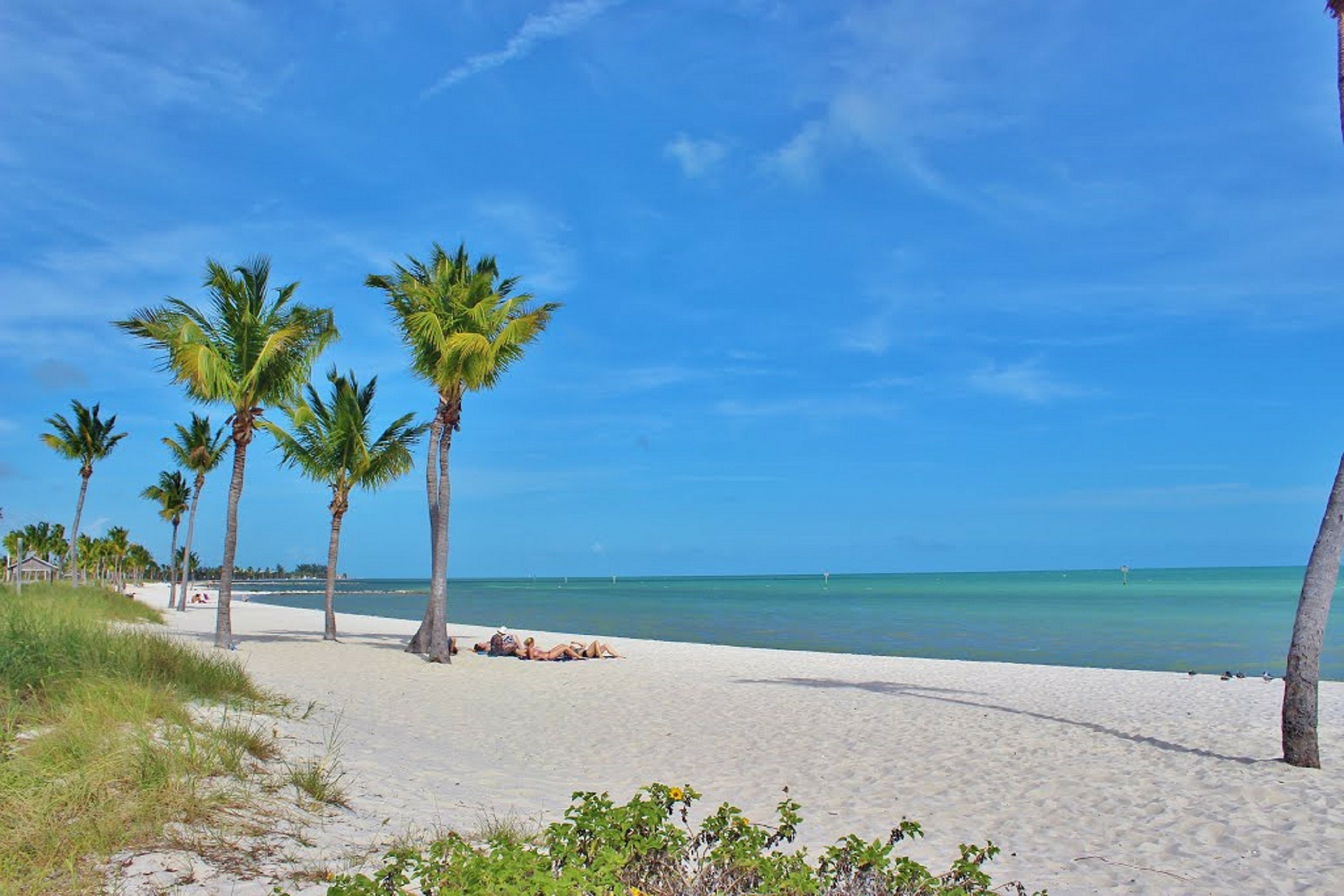
Florida’s real estate market is a compelling destination for both homebuyers and investors, fueled by a robust economic engine and a consistent influx of new residents and visitors. The Sunshine State has long been recognized for its attractive lifestyle, favorable tax environment, and diverse economic opportunities, all of which contribute to a sustained demand for housing. Understanding these underlying economic drivers is crucial for anyone looking to make a wise investment in Florida’s property landscape.
The interplay of population growth, a thriving tourism industry, and a welcoming business climate creates a dynamic environment where property values tend to appreciate over time, offering attractive returns for astute investors.The primary economic factors underpinning the sustained demand for Florida homes are multifaceted and interconnected. Firstly, population growth is a significant contributor. Florida consistently ranks among the top states for domestic migration, attracting individuals and families seeking warmer weather, a lower cost of living compared to some northern states, and a more relaxed pace of life.
This steady influx of new residents directly translates into increased demand for housing, from starter homes to luxury estates. Secondly, tourism plays a pivotal role. Florida is a global tourism hotspot, drawing millions of visitors annually to its theme parks, beaches, and cultural attractions. This constant stream of tourists not only supports a vibrant hospitality sector but also fuels demand for vacation rentals and second homes, providing passive income opportunities for property owners.
Finally, Florida boasts a favorable business climate, characterized by a lack of state income tax, business-friendly regulations, and a growing presence of various industries, including technology, aerospace, and healthcare. This economic dynamism attracts businesses and skilled workers, further bolstering population growth and, consequently, housing demand. These combined forces create a powerful upward pressure on property values, as supply struggles to keep pace with the ever-increasing demand, making Florida a prime location for real estate investment.
Investment Opportunities in the Florida Real Estate Landscape
The Florida real estate market offers a diverse array of investment opportunities, catering to various risk appetites and financial goals. Each property type presents unique characteristics, potential returns, and associated risks that investors should carefully consider. Understanding these distinctions is key to aligning investment strategies with personal objectives. The state’s dynamic economy and desirable lifestyle create a fertile ground for various real estate ventures, from short-term rental income to long-term capital appreciation.Here’s a breakdown of common investment opportunities:
- Single-Family Homes: These are often purchased for long-term appreciation and rental income. They appeal to families and individuals seeking stability and a sense of ownership. The risk profile is generally moderate, with potential for steady appreciation and rental yields, but can be subject to local market fluctuations and tenant management challenges.
- Condominiums: Condos offer a more hands-off approach to property ownership, with homeowners’ associations (HOAs) typically managing exterior maintenance and common areas. They are popular among retirees, young professionals, and as vacation homes. The risk and reward are often balanced, with lower upfront costs than single-family homes, but HOA fees and regulations can impact profitability and flexibility.
- Vacation Rentals: This segment capitalizes on Florida’s robust tourism industry. Properties are purchased with the primary intent of generating income through short-term rentals, often through platforms like Airbnb or VRBO. The potential for high returns is significant, especially in prime tourist destinations, but the risk is also higher due to seasonality, management intensity, and changing rental regulations.
- Multi-Family Dwellings: This includes duplexes, triplexes, and apartment buildings, offering diversification of income streams and economies of scale. Investors benefit from multiple tenants, which can mitigate the impact of vacancies. The risk is moderate to high, depending on the size and location, with greater management responsibilities but also potentially higher cash flow and appreciation.
Assessing the Investment Viability of a Florida Property
To effectively assess the investment viability of a specific Florida property, a systematic and thorough evaluation process is essential. This involves a deep dive into various metrics and market indicators to predict potential returns and mitigate risks. A structured approach ensures that decisions are based on data and sound financial principles rather than speculation.The following step-by-step procedure can guide investors:
- Location Analysis: This is paramount. Evaluate the neighborhood’s safety, school district quality (if applicable), proximity to amenities (shopping, dining, entertainment), job centers, and transportation links. Research local development plans, as future infrastructure projects or commercial expansions can significantly impact property values. Consider the property’s appeal to target renters or buyers – is it near beaches, theme parks, or business districts?
- Comparable Sales Data (Comps): Obtain recent sales data for similar properties in the immediate vicinity. This involves looking at properties with comparable square footage, number of bedrooms/bathrooms, age, condition, and amenities. Online real estate portals and local real estate agents are valuable resources for this information. Analyze the average price per square foot to gauge the property’s market value.
- Rental Income Projections: If the intention is to rent out the property, research current rental rates for comparable properties in the area. Factor in potential vacancy rates, property management fees, and maintenance costs. A conservative estimate of net operating income (NOI) is crucial for calculating the capitalization rate (Cap Rate), a key metric for rental property profitability.
- Potential for Future Development or Renovation: Assess the property’s current condition and identify any potential for value-add renovations or upgrades. This could include modernizing kitchens and bathrooms, improving curb appeal, or adding extra living space. Consider the return on investment (ROI) for such improvements. Also, investigate local zoning laws to understand any potential for future development or expansion.
“Location, location, location” remains a timeless adage in real estate, but in Florida’s dynamic market, it must be paired with a thorough understanding of income potential and future growth prospects.
Key Indicators of a Strong Florida Investment Market, Florida homes
Identifying a strong investment market in a particular Florida locale requires keen observation of several key indicators. These signals provide insights into the current health of the market and its potential for future growth, allowing investors to make informed decisions and capitalize on emerging opportunities. A proactive approach to monitoring these trends can lead to more profitable real estate ventures.Key indicators to watch include:
- Population Growth Trends: Monitor local and state demographic data. A consistent increase in population, driven by migration and job creation, is a fundamental indicator of sustained housing demand. Look for areas experiencing significant in-migration, as this often correlates with rising property values.
- Job Market Strength and Diversity: A robust and diversified local economy with a healthy job market is crucial. Areas with a strong presence of growing industries, low unemployment rates, and a steady stream of new businesses signal economic stability and attract residents, thereby supporting real estate demand.
- Tourism and Hospitality Performance: For areas reliant on tourism, track occupancy rates, average daily rates (ADR), and visitor numbers. Strong performance in these sectors indicates a healthy demand for short-term rentals and vacation homes, boosting investment potential.
- Infrastructure Development and Investment: Significant public and private investments in infrastructure, such as new transportation links, public facilities, or commercial centers, often precede or accompany property value appreciation. These developments enhance desirability and accessibility.
- Comparable Property Appreciation Rates: Analyze historical data on property value increases in the specific locale. Consistent, moderate appreciation suggests a stable and healthy market, while rapid, unsustainable spikes might indicate a bubble.
Interpreting trends in property taxes, insurance costs, and local economic development initiatives is also vital for gauging future market performance. For instance, while property taxes are a cost of ownership, understanding their trajectory can reveal local government investment priorities and potential future tax burdens. Similarly, rising insurance costs, particularly in coastal areas, can impact affordability and investor returns, necessitating a careful assessment of risk mitigation strategies.
Local economic development initiatives, such as tax incentives for businesses or investments in workforce training, can signal a proactive approach to fostering growth, which in turn can positively influence the real estate market. By synthesizing these diverse indicators, investors can develop a comprehensive understanding of a Florida locale’s investment potential.
Practical Considerations and Lifestyle Advantages of Relocating to Florida
Florida, often envisioned as a sun-drenched paradise, offers a remarkably diverse tapestry of living experiences. From the pulsating energy of its major metropolitan areas to the tranquil rhythm of its coastal hamlets and the comfort of its family-centric suburbs, each community presents a unique lifestyle proposition. Understanding these nuances is paramount for anyone considering a move, as it directly impacts daily life, personal preferences, and overall satisfaction.
You also will receive the benefits of visiting mobile homes for sale today.
The Sunshine State caters to a wide spectrum of residents, each drawn by distinct amenities and atmospheres.The allure of Florida extends far beyond its beaches and theme parks; it encompasses a lifestyle tailored to nearly every demographic. Urban centers like Miami, Orlando, and Tampa beckon those who thrive on a dynamic environment. These cities boast a rich cultural scene, with world-class museums, theaters, diverse culinary landscapes, and a constant stream of events and entertainment.
The typical resident profile here often includes young professionals, entrepreneurs, and individuals who appreciate the convenience and excitement of city living, along with a significant international population contributing to the vibrant cultural mosaic.In contrast, Florida’s coastal towns, from the quaint charm of St. Augustine to the upscale elegance of Naples, offer a more relaxed and laid-back existence. Life here often revolves around the water, with opportunities for boating, fishing, and enjoying breathtaking sunsets.
The resident profile in these areas frequently includes retirees seeking a peaceful haven, second-home owners looking for a vacation retreat, and individuals who prioritize a strong connection with nature and a slower pace of life. These communities foster a sense of close-knit belonging, where neighbors often become friends.For families, Florida’s suburban enclaves provide a strong sense of community and access to excellent educational facilities and family-oriented activities.
Areas surrounding major cities, such as those in the Orlando metropolitan area or the Tampa Bay region, offer well-maintained neighborhoods, parks, and a generally safer environment. The typical resident here is focused on raising children, valuing proximity to good schools, family-friendly entertainment, and a stable, comfortable living environment. These communities often feature active homeowner associations and a plethora of organized recreational programs for all ages.
Cost of Living Comparison Across Florida Regions
Navigating the financial landscape of Florida is a crucial step for prospective residents. While the state is generally perceived as affordable, significant variations exist across its diverse regions, particularly concerning housing. Understanding these differences in housing expenses, utility costs, property taxes, and everyday necessities will empower informed decision-making and financial planning. This comparative analysis aims to shed light on these economic realities, enabling a clearer picture of where one’s budget might stretch further or require more careful management.The cost of living in Florida is influenced by a multitude of factors, with housing often being the most substantial expense.
Major metropolitan areas and popular coastal destinations tend to command higher prices for both rental and owned properties. Conversely, inland communities and smaller towns often present more budget-friendly options. Utility costs, while relatively consistent across the state due to climate, can see minor fluctuations based on local providers and individual consumption habits. Property taxes are also a significant consideration, varying by county and municipality, and can add a substantial amount to the annual cost of homeownership.
Everyday necessities, such as groceries, transportation, and entertainment, also differ, with urban centers generally offering more options but potentially at a higher price point than smaller towns.| Region | Average Housing Cost (Monthly Rent/Mortgage) | Estimated Utility Costs (Monthly) | Average Property Tax Rate (%) | Everyday Necessities (Monthly Estimate) || :————— | :——————————————- | :——————————– | :—————————- | :————————————– || South Florida (e.g., Miami-Dade, Broward) | $2,000 – $3,500+ | $250 – $400 | 1.0% – 1.5% | $600 – $900+ || Central Florida (e.g., Orlando, Tampa) | $1,500 – $2,500 | $200 – $350 | 0.8% – 1.2% | $500 – $800 || Southwest Florida (e.g., Naples, Fort Myers) | $1,800 – $3,000+ | $220 – $380 | 0.9% – 1.3% | $550 – $850 || North Florida (e.g., Jacksonville, Tallahassee) | $1,200 – $2,000 | $180 – $300 | 0.7% – 1.1% | $450 – $700 || Rural/Smaller Towns | $800 – $1,500 | $150 – $250 | 0.6% – 1.0% | $400 – $600 |*Note: These figures are estimates and can vary significantly based on specific location, property type, and lifestyle choices.*
Accessibility and Quality of Essential Services and Amenities
The availability and quality of essential services and amenities play a pivotal role in the desirability and livability of any community. Florida excels in providing a robust network of healthcare facilities, educational institutions, transportation options, and recreational opportunities, though the specifics can vary considerably depending on the region. Understanding these differences is vital for ensuring that your needs and preferences are met, whether you are seeking advanced medical care, quality schooling for your children, efficient travel, or fulfilling leisure activities.Florida’s healthcare system is generally well-regarded, with major metropolitan areas boasting numerous world-class hospitals and specialized medical centers.
These urban hubs often attract leading physicians and offer cutting-edge treatments. In more rural or remote areas, access to healthcare may be more limited, potentially requiring longer travel times for specialized services. However, most communities have at least basic medical clinics and emergency services. Educational institutions across Florida range from highly-rated public school districts in affluent suburbs to renowned universities and colleges in larger cities.
Rural areas may have fewer school choices, but dedicated educators often strive to provide excellent instruction.Transportation networks in Florida are extensive, with major interstates and well-developed highway systems facilitating travel. Public transportation is more prevalent in urban centers, offering bus routes and, in some cases, light rail or commuter trains. For those living in suburban or rural areas, a personal vehicle is often a necessity.
The state’s commitment to infrastructure development ensures that most areas are accessible, though traffic congestion can be a significant issue in densely populated regions.Recreational opportunities are a hallmark of the Florida lifestyle. From the iconic beaches and water sports along the extensive coastline to the natural beauty of state and national parks offering hiking, camping, and wildlife viewing, the options are abundant.
Major cities provide a wealth of cultural attractions, including museums, theaters, professional sports teams, and vibrant nightlife. Even smaller towns often boast local parks, community centers, and organized sports leagues, ensuring that residents of all ages have avenues for recreation and engagement. The accessibility and quality of these amenities are generally higher in populated areas, but the state’s natural beauty provides widespread recreational potential.
Navigating the Process of Setting Up a New Household in Florida
Relocating to a new state involves a series of practical steps to establish a functional and comfortable household. Florida offers a streamlined process for many of these necessities, but familiarity with the requirements will ensure a smoother transition. This guide Artikels the key aspects of setting up a new home, from securing utilities to integrating into the local fabric of your chosen community.The first step in establishing your new Florida household is typically securing essential utilities.
This includes electricity, water, and gas. Each county or municipality will have its designated utility providers. For electricity, major providers include Florida Power & Light (FPL), Duke Energy, and Tampa Electric, among others. It’s advisable to contact these providers well in advance of your move-in date to schedule service activation, often requiring a deposit. Water and sewer services are usually managed by local county or city utilities.
Internet and cable services are offered by various companies, and comparing plans and pricing is recommended.Obtaining a Florida driver’s license or state identification card is a crucial step for legal residency and daily life. You will need to visit a Florida Department of Highway Safety and Motor Vehicles (FLHSMV) office. Required documentation typically includes proof of identity, Social Security number, and proof of residential address in Florida.
If you are transferring an out-of-state license, you will need to surrender your old license. Registering your vehicle in Florida is also a requirement, which can be done concurrently with obtaining your driver’s license at the FLHSMV.Registering to vote is another important aspect of community integration. You can register to vote online, by mail, or in person at your local Supervisor of Elections office.
For children, enrolling them in school involves contacting the local school district to understand enrollment procedures, required documents, and school assignments. Healthcare providers can be found through online directories, recommendations from neighbors, or by contacting local hospitals. Many communities also have welcome centers or chambers of commerce that can provide valuable resources and information about local services, businesses, and community events, aiding in a swift and successful integration.
Illuminate the unique challenges and opportunities related to home maintenance and disaster preparedness in Florida’s environment.

Florida’s allure as a premier destination for homebuyers is undeniable, yet owning a home in this vibrant state comes with a distinct set of considerations. The very elements that make Florida so desirable – its sunshine, warm climate, and proximity to the coast – also present unique challenges for homeowners, particularly concerning maintenance and safeguarding against the unpredictable forces of nature.
Understanding these aspects is not just about preserving your investment; it’s about ensuring your safety and peace of mind in a dynamic environment. This section delves into the specific maintenance demands of Florida’s subtropical climate and the critical importance of robust disaster preparedness.
Specific Maintenance Requirements for Homes in Florida’s Subtropical Climate
Florida’s subtropical climate, characterized by high humidity, intense sunshine, and frequent rainfall, necessitates a proactive and consistent approach to home maintenance. The warm, moist air is a breeding ground for pests and mold, while the relentless sun can degrade building materials. Outdoor living spaces, a hallmark of Florida living, also require diligent upkeep to withstand the elements and remain enjoyable.
Addressing these issues promptly can prevent minor problems from escalating into costly repairs and maintain the aesthetic appeal and structural integrity of a home.Pest control is a paramount concern in Florida. The warm climate supports a diverse and active insect population, including termites, ants, cockroaches, and mosquitoes, which can cause significant structural damage and pose health risks. Regular inspections and preventative treatments are essential.
This often involves sealing entry points, such as cracks in foundations and around pipes, and employing professional pest control services for regular barrier treatments around the property perimeter. Mosquitoes, in particular, thrive in standing water, making the elimination of stagnant water sources in yards, such as clogged gutters, unused planters, and kiddie pools, a crucial part of both pest management and public health.Mold prevention is another significant challenge.
The pervasive humidity, coupled with potential leaks from plumbing or roofs, creates ideal conditions for mold growth, which can impact indoor air quality and cause health problems. Homeowners should prioritize ensuring adequate ventilation in bathrooms, kitchens, and laundry rooms, using exhaust fans diligently. Regular cleaning of surfaces prone to moisture, such as shower curtains and grout, is also important. Addressing any leaks immediately, whether from a dripping faucet or a compromised roof, is critical.
Utilizing dehumidifiers in damp areas can further mitigate the risk.Upkeep of outdoor living spaces is vital for enjoying the Florida lifestyle. Decks, patios, and screen enclosures require regular cleaning to prevent the buildup of algae and mildew, which can make surfaces slippery and unsightly. Wooden decks and railings need periodic sealing and staining to protect them from sun and moisture damage.
Screen enclosures, common in Florida homes, require occasional repairs to torn screens, which can allow insects to enter. Landscaping also demands attention; trimming trees and shrubs away from the house helps prevent insect harborage and reduces the risk of falling branches during storms.
Actionable advice for homeowners includes:
- Schedule annual or semi-annual professional pest inspections and treatments, focusing on termite prevention.
- Regularly inspect roofs and gutters for damage or blockages, especially after heavy rains.
- Ensure all bathrooms and kitchens have functioning exhaust fans and use them during and after activities that generate steam.
- Clean outdoor surfaces like patios and decks with appropriate cleaning solutions to prevent mold and mildew growth.
- Seal and stain wooden decks and fences every few years to protect them from the elements.
- Keep landscaping well-maintained, trimming trees and bushes to avoid contact with the house.
- Promptly address any signs of water intrusion or leaks, no matter how small.
Critical Importance of Hurricane Preparedness for Florida Residents
Florida’s location along the Atlantic coast places it in a region highly susceptible to hurricanes, powerful tropical cyclones that can bring devastating winds, torrential rain, and significant storm surge. The impact of these events on properties and lives can be catastrophic, making comprehensive hurricane preparedness not merely a recommendation, but an absolute necessity for all residents. Proactive planning and securing a home can significantly mitigate damage, ensure the safety of occupants, and facilitate a smoother recovery process in the aftermath of a storm.Securing a home against hurricane-force winds involves several key measures.
The most vulnerable points of a house are its windows and doors. Installing hurricane shutters, which can be made of metal, polycarbonate, or fabric, is a highly effective way to protect these openings. Alternatively, impact-resistant windows and doors are designed to withstand the force of flying debris. For less severe storms or as a secondary measure, boarding up windows with plywood is a common practice, though it requires timely execution.
Garage doors are particularly susceptible to wind pressure and should be reinforced or replaced with hurricane-rated models. Regular inspection and maintenance of the roof are also crucial, as wind can lift shingles or even entire sections of the roof. Ensuring that the roof is properly tied down to the house’s structure with hurricane clips is a vital preventative step.Creating effective evacuation plans is a cornerstone of personal safety during a hurricane.
Residents should understand their local evacuation zones, which are determined by proximity to the coast and elevation, and know when and where to evacuate. Having a designated meeting place for family members if separated and establishing communication methods are essential. Pre-planning routes to safer inland locations, considering potential road closures and traffic, is also important. A well-stocked emergency kit should include water, non-perishable food, medications, a first-aid kit, flashlights, batteries, a radio, and important documents in a waterproof container.Understanding insurance coverage is critical for financial recovery after a hurricane.
Standard homeowner’s insurance policies typically cover wind damage but often exclude flood damage, which can be a significant threat from storm surge. Flood insurance, usually purchased through the National Flood Insurance Program (NFIP) or private insurers, is essential for properties in flood-prone areas. It is vital for homeowners to review their policies annually, understand their deductibles, and ensure they have adequate coverage for both the structure of their home and their personal belongings.
The visual impact of severe weather on properties can be dramatic, ranging from minor cosmetic damage like scattered debris and broken fences to catastrophic destruction. Homes can lose roofing materials, have windows shattered, suffer severe water damage from flooding, and even experience complete structural collapse. The aftermath often reveals uprooted trees, downed power lines, and widespread debris littering streets and yards.
Common Home Repair and Renovation Projects Necessitated by Florida’s Environment
Florida’s unique environmental conditions frequently necessitate specific home repair and renovation projects to maintain structural integrity, enhance comfort, and ensure longevity. The constant exposure to high humidity, intense UV radiation, salt air near the coast, and the potential for severe weather events place unique stresses on building materials and systems. Addressing these environmental impacts through timely repairs and upgrades is not just about aesthetics; it’s about safeguarding investments and ensuring homes remain safe and resilient.Roof replacements are a common necessity, often driven by wind damage from hurricanes or severe thunderstorms.
The constant barrage of high winds can lift shingles, compromise seals, and lead to water intrusion. Over time, even without a direct storm impact, the intense sun can degrade roofing materials, causing them to become brittle and prone to cracking. When a roof reaches the end of its lifespan or sustains significant damage, a replacement is required. Modern roofing materials designed for Florida’s climate, such as impact-resistant shingles or metal roofing systems, offer enhanced durability against wind uplift and hail.
The visual cue for a potential roof replacement might include missing or curling shingles, visible water stains on the ceiling, or frequent leaks after rain.Foundation adjustments can become necessary due to the soil conditions prevalent in many parts of Florida. The state is known for its sandy soils, which can be subject to expansion and contraction with changes in moisture content.
In coastal areas, saltwater intrusion can also affect soil stability. Over time, these conditions can lead to differential settlement, causing cracks in walls, uneven floors, and doors and windows that stick. Projects might involve underpinning the foundation with concrete pilings or helical piers to provide a more stable base, or employing soil stabilization techniques. The tell-tale signs include visible cracks in the foundation walls, stair-step cracks in brickwork, and significant sagging in floors.Upgrades for energy efficiency are increasingly important and often necessitated by Florida’s hot climate.
The relentless sun and high ambient temperatures mean that air conditioning systems work overtime, leading to high energy bills. Older homes may lack adequate insulation in attics and walls, and single-pane windows offer little resistance to heat transfer. Projects often involve adding or upgrading attic insulation, sealing air leaks around windows, doors, and ductwork, and replacing old, inefficient windows with double- or triple-pane, low-E coated, impact-resistant glass.
Installing more efficient HVAC systems and smart thermostats can also significantly reduce energy consumption. The motivation for these upgrades is often a desire to lower utility bills, improve indoor comfort, and reduce the environmental footprint.
Comparison of Homeowner’s Insurance Policies in Florida
Navigating the landscape of homeowner’s insurance in Florida requires a thorough understanding of the various policy types and the specific perils they cover, especially given the state’s vulnerability to natural disasters. The cost and availability of insurance can be significantly influenced by these risks. Choosing the right policy is crucial for protecting one’s financial interests and ensuring adequate coverage in the event of damage.The most common type of policy is the HO-3, or “special form” policy.
This policy provides broad coverage for the dwelling itself, covering “all risks” unless specifically excluded. However, it typically covers personal property on a named-perils basis, meaning only those risks explicitly listed in the policy are covered. For the dwelling, common exclusions in Florida include flood, earthquake, and damage from neglect or lack of maintenance. This policy is a good starting point for many homeowners but often requires additional endorsements or separate policies to fully address Florida’s unique risks.
A critical component of Florida homeowner’s insurance is coverage for windstorm and hail damage, which is usually included in standard policies. However, for coastal properties or those in high-risk wind zones, a separate windstorm policy or a wind-specific deductible may apply. This deductible is often a percentage of the dwelling coverage (e.g., 1%, 2%, or 5%) rather than a flat dollar amount, meaning the payout for wind damage can be significantly reduced.
Explore the different advantages of Cheap Mobile Homes for Sale in Palm Beach County that can change the way you view this issue.
Flood insurance is a separate policy, typically purchased through the National Flood Insurance Program (NFIP) or private flood insurance providers. Standard homeowner’s policies explicitly exclude flood damage, which is caused by the overflow of inland or tidal waters, unusual and rapid accumulation or runoff of surface waters from any source, or mudflow. Given Florida’s extensive coastline and low-lying areas, flood insurance is indispensable for most residents.
The cost of flood insurance is based on factors like the property’s elevation, its proximity to flood zones, and the type of coverage selected.Other natural disasters, such as sinkholes, are also a concern in parts of Florida. While not typically covered by standard homeowner’s insurance, coverage for sinkhole collapse can sometimes be purchased as an endorsement or a separate policy.
The premiums for homeowner’s insurance in Florida are influenced by a multitude of factors. These include the age and construction of the home, the proximity to the coast, the presence of hurricane shutters or impact-resistant windows, the type of roof and its age, the claims history of the property and the homeowner, and the chosen deductibles. Insurers also consider the overall risk profile of the geographic area, which is heavily impacted by hurricane activity and the associated reinsurance costs.
For instance, a home in a high-risk flood zone with an older roof and no hurricane protection will invariably have higher premiums than a similar home inland with updated features.
Last Word
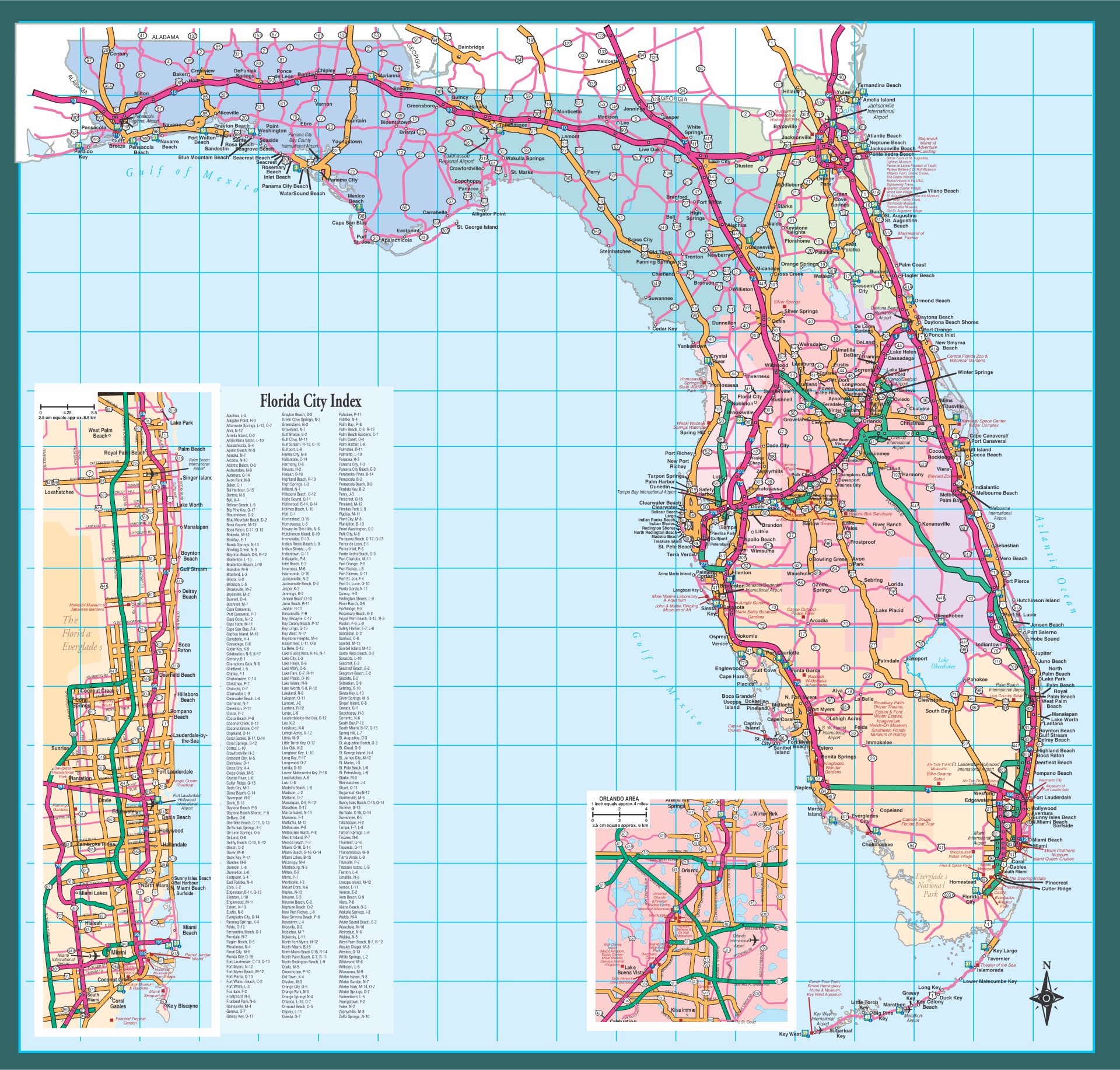
In essence, navigating the world of Florida homes is a multifaceted journey. It encompasses appreciating the architectural heritage and climate-adapted innovations, understanding the robust economic landscape that fuels property values, and mastering the legalities of acquisition and ownership. Coupled with the allure of diverse lifestyles and the practicalities of maintenance and preparedness, owning a piece of Florida offers a unique proposition.
This comprehensive look underscores the opportunities and considerations inherent in the Sunshine State’s dynamic real estate market, inviting you to explore its possibilities.
Query Resolution
What are the typical closing costs when buying a home in Florida?
Closing costs in Florida can range from 2% to 5% of the loan amount and typically include appraisal fees, title insurance, recording fees, lender fees, and prorated property taxes and homeowners’ insurance premiums.
How does flood insurance work for Florida homes?
Flood insurance is usually a separate policy from standard homeowners’ insurance in Florida, as standard policies do not cover flood damage. Policies are often purchased through the National Flood Insurance Program (NFIP) or private insurers, with costs varying based on flood zone, elevation, and coverage amount.
Are there any restrictions on foreign ownership of Florida homes?
Generally, foreign nationals can own property in Florida with few restrictions, though they may need to consider tax implications, such as the Foreign Investment in Real Property Tax Act (FIRPTA), when selling the property.
What is the average property tax rate in Florida?
Property tax rates in Florida vary significantly by county and municipality, but the statewide average effective property tax rate is typically around 1% of the home’s assessed value. Homestead exemptions can reduce this burden.
How can I find a reputable real estate agent in Florida?
You can find a reputable agent by asking for referrals from friends or family, checking online reviews and ratings, looking for agents with specific local market expertise, and verifying their credentials and membership in professional organizations like the National Association of Realtors.